Personalized Medical Care & Dedicated International Patient Concierge

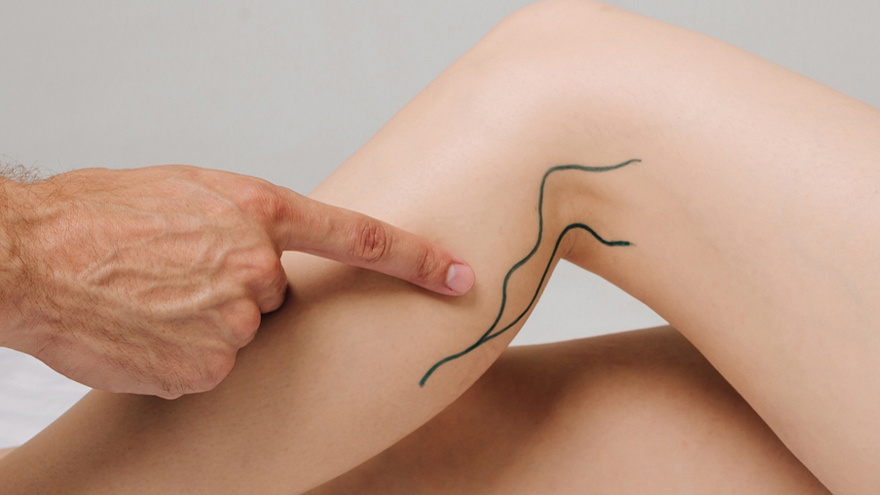
Endovenous Vein Ablation · Needs Clinic Confirmation
Radiofrequency Ablation (RFA)
Radiofrequency ablation closes a refluxing leg vein from within by heating its inner lining with a catheter, so that the vein seals through a fibrotic reaction rather than being surgically removed.
Schedule a ConsultationRadiofrequency Ablation (RFA)
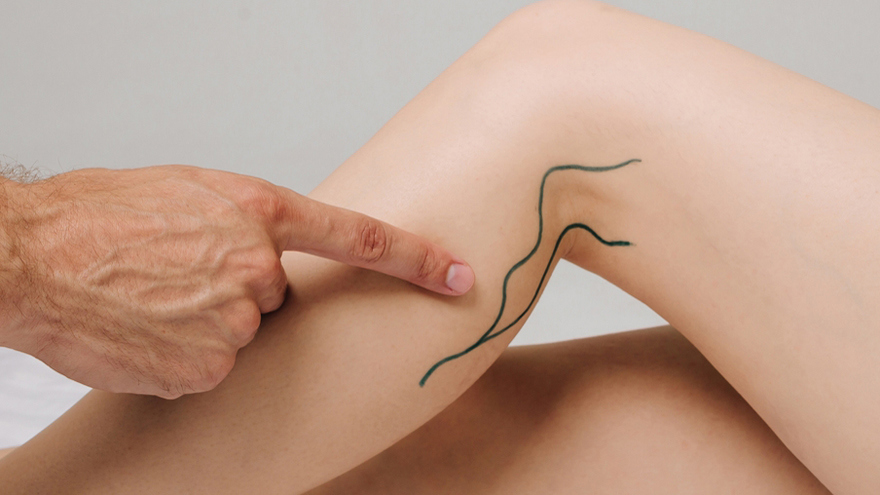
Medically reviewed by Dr. Dong-Hyuk Kim, Board-Certified General Surgeon, Medical DirectorIum Hazi Varicose Vein Clinic, Seocho-gu, Seoul
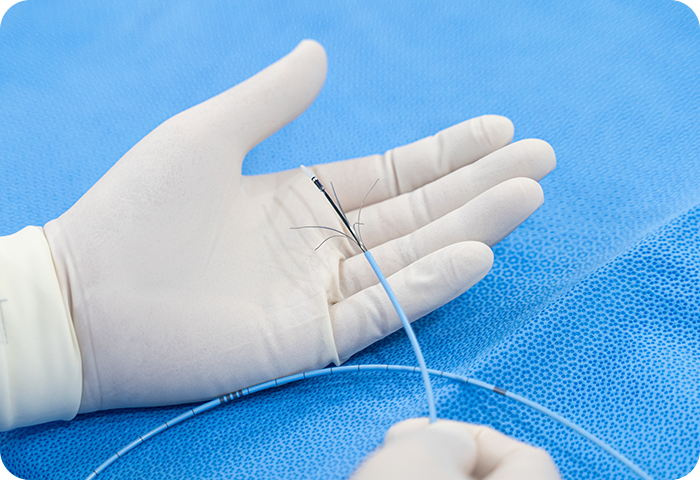
Radiofrequency ablation is a treatment for varicose veins in which a radiofrequency catheter is placed inside the affected vein and heat is delivered from the catheter to the vein wall. The clinic describes delivering a constant 120°C in a 360-degree manner, which deforms the inner lining of the vein and induces a fibrotic reaction that closes it. Blood then travels through healthier veins.
What Is Radiofrequency Ablation?
Radiofrequency ablation closes a refluxing leg vein from within by heating its inner lining with a catheter, so that the vein seals through a fibrotic reaction rather than being surgically removed.
A radiofrequency catheter is inserted into the affected vein through a small access point.
Heat is delivered around the full circumference of the vein rather than to one side of it.
The heat alters the vein's inner lining and induces the fibrotic reaction that closes it.
The clinic describes the principle as similar to that of laser surgery, with a different energy source.
It is generally performed through a small access point and completed as an outpatient procedure.
The clinic states that it uses advanced radiofrequency equipment from Medtronic in the United States, and radiofrequency ablation is one of Dr. Kim's documented core specializations. Within the wider treatment category, the National Institute for Health and Care Excellence identifies radiofrequency and laser as the two endothermal types in common use for confirmed truncal reflux, and the UK National Health Service describes endothermal ablation as the usual first-choice specialist treatment, performed under local anaesthetic through a catheter placed with ultrasound guidance as a same-day procedure.
Regulatory approval, clearance or certification status for the devices used at this clinic is not documented in the clinic's source material, so no approval, clearance or certification claim is made on this page.
Who Performs Radiofrequency Ablation at Ium Hazi Varicose Vein Clinic
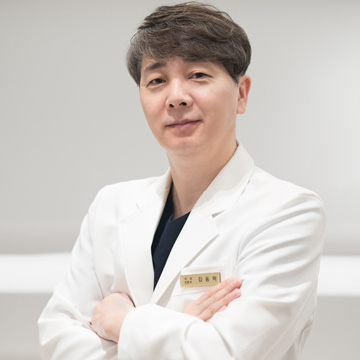
Dr. Dong-Hyuk Kim
Board-certified general surgeon
Dr. Dong-Hyuk Kim is a board-certified general surgeon and the Medical Director of Ium Hazi Varicose Vein Clinic. He completed his medical education at Sungkyunkwan University School of Medicine and serves as Executive Director of the Korean Society of Phlebology.
Ium Hazi Varicose Vein Clinic operates a single-director system: Dr. Dong-Hyuk Kim personally performs every consultation, diagnostic ultrasound, procedure and post-operative follow-up, and the clinic deliberately limits its schedule to one or two surgical cases per day.
Operator skill is something the clinic itself raises for this technique rather than something inferred here: it states that advanced varicose veins with severely tortuous blood vessels can be difficult to treat with radiofrequency ablation and that such cases require the technique of a skilled specialist. Because the same surgeon performs the diagnostic ultrasound that identifies those cases and the procedure that treats them, the judgement about whether a vein is suitable and the execution of the treatment sit with one person.
This page does not cite case counts, awards, ratings or patient testimonials. Where the clinic publishes such figures they are self-reported and unaudited, and they do not describe what any individual patient should expect.
Who Is a Good Candidate for Radiofrequency Ablation?
Patients with varicose veins caused by an affected vein that can be safely accessed and treated with a radiofrequency catheter.
Patients with confirmed venous reflux whose affected vein is suitable for this approach on clinical assessment and vascular ultrasound.
Patients considering a minimally invasive alternative to traditional vein-stripping surgery for appropriately diagnosed reflux.
Suitability is determined through vascular evaluation and imaging.
The clinic documents the main limit directly: patients with advanced varicose veins and severely tortuous blood vessels may be difficult to treat with this technique. That is an anatomical constraint on catheter-based treatment in general — a catheter cannot easily negotiate a winding vessel, which is why ablation as a category is typically applied to the great, small and accessory saphenous veins, as RadiologyInfo.org from the Radiological Society of North America and the American College of Radiology explains. Where a vein is not suitable, another route is considered rather than this one being forced.
What to Expect: Procedure, Recovery, and Results Timeline
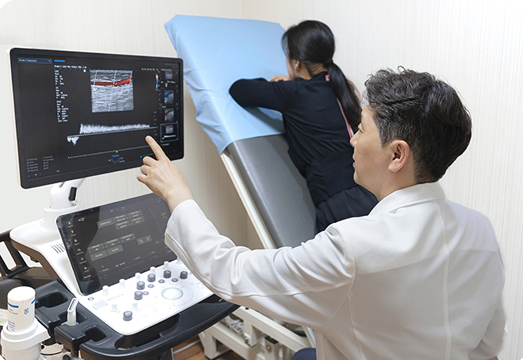
The clinic documents the sequence as: a radiofrequency catheter is inserted into the affected vein; radiofrequency energy delivers 120°C heat in a 360-degree manner; the heat changes the inner lining of the vein and induces a fibrotic reaction; and the treated vein closes.
Preparation for this treatment is more specific than for a diagnostic visit. The clinic instructs patients to fast beforehand, to get sufficient rest, and not to take diabetes medication, and to inform medical staff about relevant health conditions and any other medications being taken.
Stage | What happens | Timing |
|---|---|---|
Before the day | Fasting as instructed; rest; diabetes medication withheld per instruction; medications and health conditions disclosed | Before treatment |
Anaesthesia | Local anaesthesia, with sedation anaesthesia used when indicated | On the day |
Treatment | Catheter placed; 120°C heat delivered around 360 degrees; vein closes by fibrotic reaction | 30 minutes to 1 hour |
Discharge | Same-day discharge is possible | Same day |
Next day | Most people can resume normal life | Day after |
First days | Anaesthetic fluid may leak from the puncture site for a few days; light showering advised | Several days |
Follow-up | Clinical assessment and vascular ultrasound to evaluate the result | Per the physician's recommendation |
The clinic advises avoiding excessive walking or overexertion if it causes discomfort, taking prescribed medication as directed, and refraining from smoking and drinking for a period after surgery. Driving should be avoided on the day of surgery, with public transport recommended — a direct consequence of the sedation option rather than a general caution.
The treated vein is intended to close as a result of the procedure, with recovery over time, and follow-up assessment or ultrasound used to evaluate the result. This clinic does not publish closure rates, success rates or recurrence rates, so none are stated here. Figures published for a treatment category as a whole do not describe the results of any individual clinic or patient.
For patients travelling from the United States, the clinic documents same-day discharge and a return to normal life the next day, but does not specify a number of days to stay in Korea; allow time for consultation, treatment, recovery and any recommended follow-up, and confirm the appropriate timing for air travel with the treating physician. That timing matters because the Centers for Disease Control and Prevention notes for travellers generally that journeys over four hours raise clot risk through immobility, and lists recent surgery and varicose veins among the contributing factors.
Combining Radiofrequency Ablation with Other Treatments
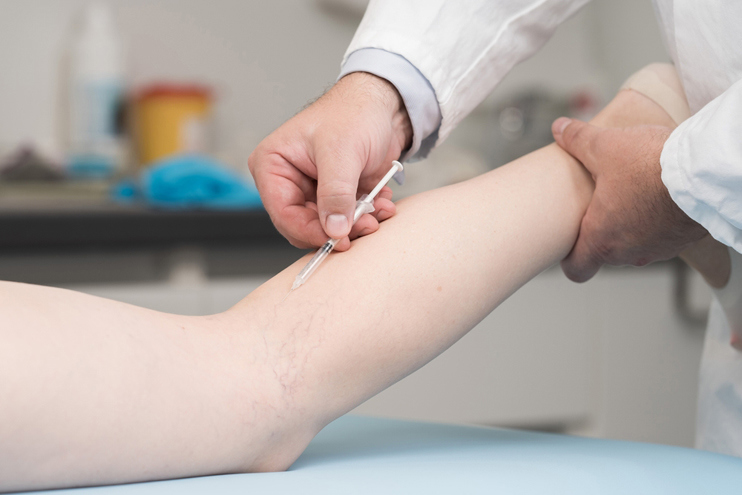
The clinic documents that radiofrequency ablation may be combined with other vein treatments when additional varicose veins require treatment, with the appropriate combination determined by the treating physician.
Micro-Phlebectomy — where bulging surface veins are still present once the trunk has been sealed by heat, they are removed separately rather than by the catheter.
Vascular Ultrasound Examination — the scan that judged the vein accessible enough for a catheter in the first place, and the one that evaluates the result.
Endovenous Vein Ablation — the family of closure techniques of which radiofrequency is the other thermal member.
Where radiofrequency is not the answer, the clinic's alternatives are endovenous laser ablation, medical adhesive closure, mechanochemical ablation, ambulatory phlebectomy and traditional surgical vein treatment, decided on the vein anatomy and the clinical assessment.
Safety, Precision, and Clinic Standards
The risks below are the ones this clinic documents in its own treatment information. No procedure is free of risk, and a written list is not a substitute for the discussion of risks and alternatives that takes place during consultation.
The side effect the clinic lists for this treatment is temporary sensory abnormality. It also documents that anaesthetic fluid may temporarily seep from the needle puncture site, and that a pulling sensation or lumps may occur in the treated area and gradually disappear.
Beyond what the clinic lists for its own procedure, the general risks of vein ablation include bruising, swelling, tenderness, tightness, nerve irritation, skin injury, blood clots and incomplete or recurrent vein closure. Thrombotic complications are the category risk that warrants naming: the Society for Vascular Surgery describes endovenous thermal ablation as carrying a low but definite category-level risk of endovenous heat-induced thrombosis, superficial venous thrombosis and deep vein thrombosis, with major deep vein thrombosis and pulmonary embolism extremely rare, and notes that heat-induced thrombosis may require a period of anticoagulation and follow-up imaging. RadiologyInfo lists rare thermal nerve injury alongside bruising, tenderness and thrombophlebitis for the same category, and European guidance on chronic venous disease of the lower limbs covers thermal and non-thermal ablation of incompetent saphenous trunks in adults.
The clinic's documented risk-reduction measures for this treatment are appropriate patient selection, assessment of vein anatomy, ultrasound evaluation, careful catheter placement, appropriate radiofrequency settings, and monitoring during and after treatment. The clinic's stated quality process is doctor-led diagnosis, consultation, surgery and post-operative care; pre-operative vascular ultrasound and clinical evaluation; a deliberately limited daily surgical caseload; strict sterilisation using autoclave and ethylene oxide gas systems; no reuse of single-use devices; and post-operative vascular ultrasound monitoring and follow-up care.
The clinic is a Registered Medical Institution for Attracting Foreign Patients, certified by the Republic of Korea's Ministry of Health and Welfare under the Medical Overseas Expansion and Foreign Patients Attraction Act.
This page does not quote prices and does not describe insurance coverage. Fees, what a quotation includes, and any question of reimbursement are discussed during consultation, and patients outside Korea should confirm coverage with their own insurer.
The Bottom Line
A catheter delivers heat to the vein wall — the clinic describes a constant 120°C around 360 degrees — and the vein closes through a fibrotic reaction.
The procedure takes 30 minutes to 1 hour, with same-day discharge possible and most people resuming normal life the next day.
Preparation is specific: fasting, rest, diabetes medication withheld as instructed, and full disclosure of medications.
Severely tortuous veins in advanced varicose vein disease are the main reason this technique may not be the right one.
The clinic lists temporary sensory abnormality, puncture-site anaesthetic leakage, and a pulling sensation or lumps that gradually resolve.
Frequently Asked Questions
What does 120°C and 360 degrees actually mean?
It describes how the heat is applied. The clinic states that its radiofrequency treatment delivers a constant 120°C around the full circumference of the vein, rather than heating one side, so the inner lining is altered evenly and the fibrotic reaction that closes the vein occurs along the treated segment. It is a description of the technique, not a measure of the result.
Do I need to fast before the procedure?
Yes. The clinic instructs patients to fast before treatment, to rest beforehand, and not to take diabetes medication. Tell the medical staff about any health conditions and every medication you take, including ones you might consider minor — this is the preparation step most often got wrong, and it is the one that affects whether sedation can be used safely.
What anaesthesia is used?
Local anaesthesia, with sedation anaesthesia used when indicated. Some discomfort during the procedure is possible. Because sedation may be involved, the clinic advises not driving on the day of surgery and using public transport instead.
Why is fluid leaking from the puncture site, and is that normal?
The clinic documents that anaesthetic fluid may temporarily seep from the needle puncture site for a few days after treatment, and advises taking a light shower. It is a documented expected effect rather than a sign that something has gone wrong. Anything that worsens rather than settles is a reason to contact the clinic.
When can I go back to normal activity?
The clinic states that same-day discharge is possible and that most people can resume normal life the next day, while advising against excessive walking or overexertion if it causes discomfort. Smoking and drinking should be avoided for a period after surgery as instructed.
Are the lumps and the pulling sensation a problem?
The clinic documents both as effects that may occur in the treated area and gradually disappear. They are a consequence of a vein closing and fibrosing rather than an unexpected complication. As with any post-treatment change, one that is worsening rather than settling should be reported.
RFA or laser — how is the choice made?
Both are endothermal techniques, and the clinic describes its radiofrequency method as similar in principle to laser surgery. The choice follows the affected vein, the ultrasound findings, the anatomy, the symptoms and patient-specific factors, which is a decision made at consultation rather than one a page can make for you.
What if my varicose veins are advanced?
Advanced varicose veins with severely tortuous vessels are exactly the situation the clinic flags as technically difficult for this technique. That does not mean nothing can be done; it means the assessment may point to a different route, which is why the ultrasound comes first.
Book a Consultation at Ium Hazi Varicose Vein Clinic
If you are considering radiofrequency ablation for varicose veins in Seoul, the ultrasound assessment determines whether your vein is suitable for a catheter-based approach at all.
To arrange a consultation, use the clinic's contact page or call . English-language support is available for international patients.
Ium Hazi Varicose Vein Clinic is on the 2nd floor of K-Tower, 320 Seocho-daero, Seocho-gu, Seoul 06633, Republic of Korea. More about the clinic is on its About Us page.
Disclaimer
Individual results may vary. All surgical and non-surgical procedures have potential risks and limitations. Your suitability for treatment, expected results, costs, and recovery time will be discussed with Dr. Dong-Hyuk Kim during your personal consultation. The information provided is for general educational purposes and does not guarantee a specific treatment outcome.
Sources & Further Reading
Other Services
Explore additional treatments offered by our specialists.
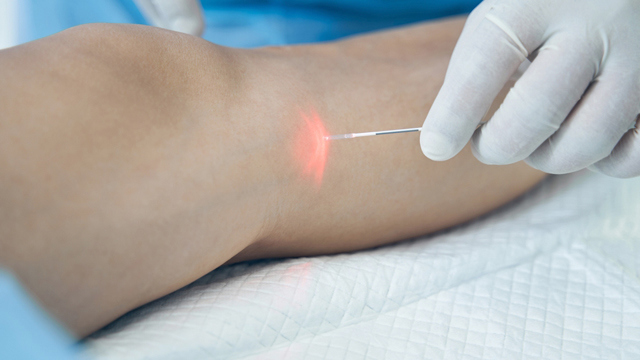
Endovenous Laser Ablation
Endovenous laser ablation is the closure of an abnormal vein from the inside using laser energy delivered along a fibre placed under ultrasound guidance, used for appropriately diagnosed venous reflux and the varicose vein symptoms that follow from it.
Learn More
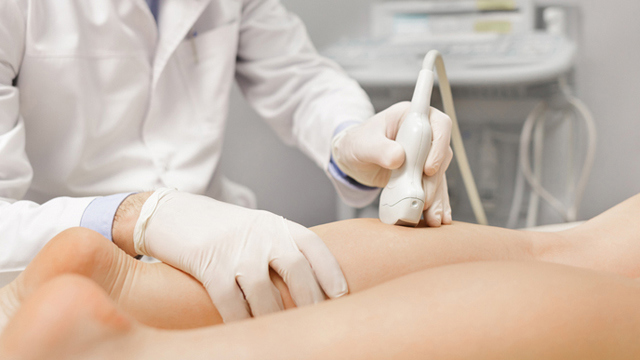
Vascular Ultrasound Examination
A vascular ultrasound examination evaluates the condition of the leg veins — deep, saphenous, subcutaneous and perforating — assessing their size, shape, location and blood-flow patterns, and showing reflux in real time.
Learn More
Mechanochemical Ablation
Mechanochemical ablation closes a refluxing vein by combining two actions in one catheter pass: mechanical irritation of the inner vein wall and delivery of a chemical sclerosing agent, without heat.
Learn More