Personalized Medical Care & Dedicated International Patient Concierge

Medical Guide
What Are Varicose Veins? Causes, Symptoms, and Signs
Varicose veins are enlarged, twisted leg veins caused by valve dysfunction. Learn the causes, the symptoms they produce, and when to see a vein specialist.
Schedule a ConsultationWhat Are Varicose Veins? Causes, Symptoms, and Signs
Medically reviewed by Dr. Dong-Hyuk Kim, Board-Certified General Surgeon, Medical Director of Ium Hazi Varicose Vein Clinic
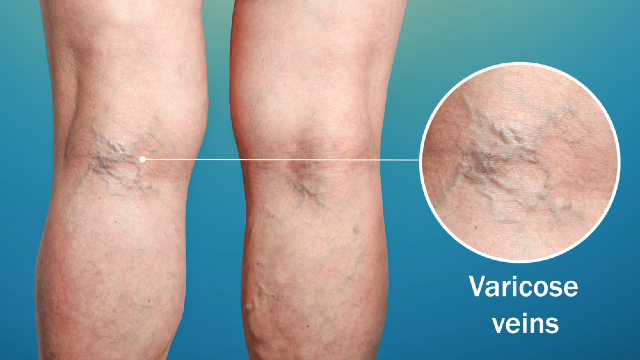
Varicose veins are leg veins that have become enlarged and twisted because the valves inside them no longer work properly, so blood pools or travels backward instead of returning steadily toward the heart. Ium Hazi Varicose Vein Clinic in Seocho-gu, Seoul, states that definition directly, and adds that the condition is confirmed by vascular ultrasound rather than by appearance alone. This article covers what the condition is, what produces it, what it feels like, and the point at which having a specialist look at your legs becomes a sensible step rather than an overreaction.
What a Varicose Vein Actually Is
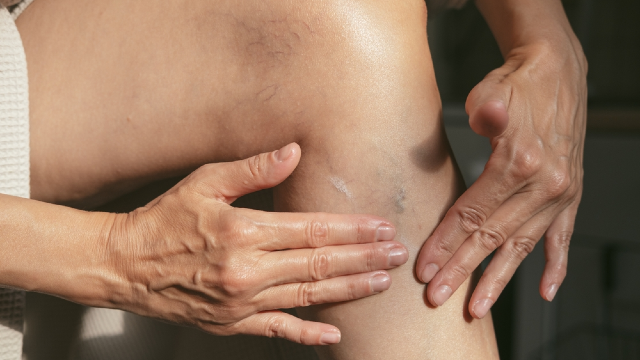
A varicose vein is a vein that has widened and lengthened until it no longer runs straight, which is why it looks knotted or rope-like under the skin. MedlinePlus, the patient information service of the US National Library of Medicine, describes varicose veins as swollen, twisted vessels that you can see beneath the skin surface, most commonly in the legs. The National Heart, Lung, and Blood Institute (NHLBI) describes them the same way and places the problem inside the vein rather than on the skin above it.
Two facts about leg circulation explain the shape. First, veins carry blood back toward the heart, and in the legs that journey runs uphill against gravity for most of your waking life. Second, veins are thin-walled and low-pressure vessels, so they depend on help: small one-way valves along their length, and the squeezing of the calf muscles each time you take a step. When a valve stops sealing, the column of blood above it is no longer held up. Pressure inside the segment below rises, the wall stretches to accommodate the extra volume, and a stretched vein takes the winding path you eventually see.
MedlinePlus groups this under vascular diseases, the family of conditions affecting the circulatory system, which is a useful reminder of what category the problem belongs to. It is a circulation condition that happens to be visible, not a skin condition that happens to be blue.
What Causes Them
The direct cause is valve dysfunction inside a leg vein. Ium Hazi Varicose Vein Clinic states that varicose veins involve abnormal enlargement and tortuosity of the leg veins together with impaired venous flow caused by venous valve dysfunction. Everything else on the list below is a factor that makes that dysfunction more likely.
The NHLBI attributes weakened or damaged valves to a recognizable set of contributors. Family history is among the strongest: if close relatives have had them, your own likelihood is higher, and nothing about lifestyle cancels inherited vein-wall structure. Age is a second factor, because vein walls and valve leaflets lose elasticity over decades of use. Pregnancy is a third, through a combination of increased circulating blood volume, hormonal changes that relax vessel walls, and pressure from the growing uterus on the pelvic veins; MedlinePlus covers pregnancy-related circulatory changes as part of its general pregnancy guidance. Excess body weight adds sustained load to the leg veins. So do occupations that keep you upright and largely still for long stretches, because a calf that is not contracting is not pumping.
A previous clot in a deep leg vein is a further contributor worth naming separately, because damage to a valve from a past thrombosis can leave permanent reflux behind it. That history changes what an assessment needs to look for.
None of these factors acts alone, and having several of them does not mean the condition is certain. It means the probability is higher, which is why the question is answered by examining a specific leg rather than by scoring a list.
The Symptoms Varicose Veins Produce
The symptoms are mostly sensations that accumulate through the day. Ium Hazi Varicose Vein Clinic lists leg swelling, heaviness, pain, visible veins, cramps, itching, and skin changes among the findings that bring patients to assessment, and singles out the situation where those symptoms affect daily activities.
MedlinePlus describes the same cluster: aching, a feeling of heaviness, cramping, and swelling in the affected leg. The pattern most people recognize is a leg that feels acceptable in the morning and heavy by evening, that is worse after a long period of standing or sitting, and that improves with walking or with elevating the legs. Night cramps and restless, tired legs belong to the same picture. Itching over or around a vein is common and is worth mentioning at an appointment rather than treating as a skin complaint.
An important point for anyone comparing their legs to photographs online: symptom severity and visible severity do not track each other reliably. Some people have dramatic bulging veins and very little discomfort. Others have almost nothing visible and legs that ache every evening, because the vein doing the damage is not near enough to the surface to be seen. The clinic's position on this is that treatment is matched to the patient's symptoms and venous findings, not to how the leg photographs.
What Varicose Veins Are Not
Several leg complaints get attributed to veins and turn out to be something else, and the distinction matters because the management is different.
Leg pain that appears reliably after walking a set distance and eases with rest points toward the arteries rather than the veins. MedlinePlus explains that peripheral arterial disease narrows the arteries supplying the limbs, reducing blood flow into the leg. Venous symptoms typically build with standing and improve with movement; arterial symptoms typically do the reverse. Establishing which system is involved is part of any competent assessment, and it also determines whether compression garments can be used safely at all.
Spider veins are not varicose veins either, although the two often appear together. They are much smaller surface vessels, and the distinction between the categories is a subject in its own right. Swelling in both legs that has no venous explanation, skin conditions unrelated to circulation, and nerve-related pain all sit outside this diagnosis as well.
When to See a Specialist
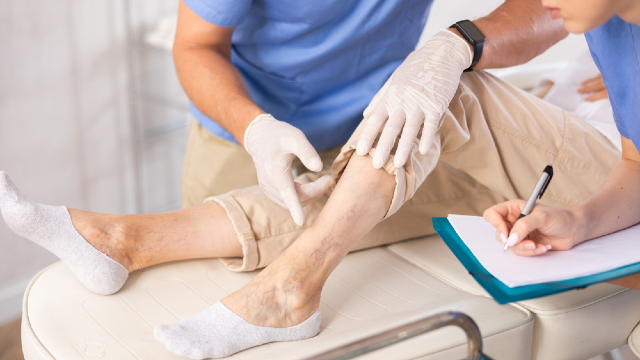
The practical threshold is this: when leg symptoms are shaping your daily choices, when the skin around the ankle starts to change, or when you simply do not know what you are looking at, an assessment answers the question rather than leaving you to guess.
Ium Hazi Varicose Vein Clinic describes candidates for evaluation as people with diagnosed or suspected varicose veins who have swelling, pain, leg heaviness, itching, cramps, visible veins, or skin changes. The particular signs that separate a leg needing procedural treatment from a leg that can be managed conservatively are covered separately in this library's guide to the signs you need varicose vein treatment rather than compression alone.
A few situations deserve prompt attention rather than a scheduled appointment. The clinic names thrombosis and skin ulcers among the complications that untreated or progressing varicose veins can be associated with, and lists bleeding among the possible problems. An open area of skin on the lower leg, bleeding from a vein, or a segment of vein that becomes hard, hot, and painful should be assessed without waiting. Sudden swelling of one leg with pain or warmth, and any chest pain or breathlessness, are emergency symptoms.
Equally, a great many people with visible leg veins are not in any of those categories, and an assessment that finds no significant reflux is a useful result, not a wasted visit.
What Happens at an Assessment
An assessment for leg veins starts with your history and an examination of the leg, and then moves to imaging, because the important part of this condition is not visible from outside.
Ium Hazi Varicose Vein Clinic uses vascular ultrasound to examine the deep veins, the saphenous veins, the subcutaneous veins, and the perforating veins, assessing their size, shape, and location while showing blood flow and reflux — blood traveling backward inside the vein — as it happens. The examination requires no anesthesia, needs no special preparation in most cases, and is generally completed within a single clinic visit. The US Food and Drug Administration (FDA) notes that ultrasound imaging uses sound waves rather than ionizing radiation to produce pictures of structures inside the body, which is part of why it is the standard approach here.
The findings then determine what, if anything, is worth doing. Dr. Dong-Hyuk Kim states his philosophy as identifying accurately what underlies a patient's varicose veins through precise vascular ultrasound, and then providing only the treatment or combination of treatments that patient actually needs, leaving out procedures that serve no purpose. A consultation of that kind is the appropriate first step, and it can be arranged through the clinic's contact page.
MedlinePlus publishes practical guidance on talking with your doctor that fits this appointment well: write your questions down beforehand, ask what the alternatives are, and ask what happens if nothing is done.
What Can Be Done, in Outline
Management runs from conservative measures through to procedures, and the tier is chosen from the findings rather than from preference.
Graduated compression garments apply controlled pressure to support venous return and reduce pooling in the lower leg. The clinic is explicit that compression manages symptoms while it is worn and does not correct the underlying venous problem or prevent new vein problems from developing. It also states that compression should not be used without assessment where peripheral arterial disease is suspected. Regular walking belongs in the same tier; MedlinePlus notes that regular physical activity supports circulation and general cardiovascular health, and the calf pump only works when the calf is working.
Where imaging confirms reflux in a vein that can be treated, the clinic documents several options, including endovenous laser ablation, radiofrequency ablation, adhesive-based closure, mechanochemical ablation, point micro-surgery, and cryoablation. Which one applies to a particular leg is a physician's decision after imaging. Venous disease is chronic, and the clinic states plainly that veins left untreated, or veins affected later, can cause problems in future, with long-term outcomes varying between patients.
Who Would Assess You
Ium Hazi Varicose Vein Clinic has focused exclusively on the diagnosis and treatment of varicose veins since 2009. It operates a single-director system, meaning Medical Director Dr. Dong-Hyuk Kim personally performs every consultation, diagnostic ultrasound, and procedure, so the physician who reads your imaging is the one who treats you and follows you afterward. He is a board-certified general surgeon who completed his medical education at Sungkyunkwan University School of Medicine, serves as Executive Director of the Korean Society of Phlebology, participates in the Venous Disease Research Society, and holds an adjunct professorship at Samsung Medical Center. The practice states more than 15 years dedicated to varicose vein care, and its own published statistic is 7,300+ saphenous vein surgeries performed between 2009 and 2024.
Documented quality controls include physician-led diagnosis, consultation, surgery, and post-operative care; pre-operative vascular ultrasound and clinical evaluation; a deliberate cap of one to two surgeries per day; autoclave and E-O gas sterilization; single-use devices that are not reused; and post-operative ultrasound monitoring. The clinic publishes business registration 135-91-93104, holds Registered Medical Institution for Attracting Foreign Patients certification from the Ministry of Health and Welfare, and received the Medical Asia 2024 Grand Prize in the varicose vein category. More about its approach is on the about page.
MedlinePlus offers general guidance on choosing a doctor or health care service, including asking about credentials and about how much experience a clinician has with your specific condition. That is a reasonable question to ask anywhere.
The Bottom Line
- Varicose veins are enlarged, twisted leg veins that develop when venous valves stop working properly, allowing blood to pool or flow backward.
- Contributing factors named by the NHLBI include family history, age, pregnancy, excess weight, and long periods of standing, along with previous deep vein clots.
- Typical symptoms are aching, heaviness, swelling, cramping, and itching that build through the day; symptom severity does not reliably match how the leg looks.
- A specialist assessment is sensible when symptoms shape your day or the skin near the ankle changes, and is urgent for bleeding, an open sore, or a hard, hot, painful vein.
- Vascular ultrasound, not appearance, establishes what is happening underneath, and the findings determine whether treatment is needed and which kind.
Frequently Asked Questions
Are varicose veins a medical condition or a cosmetic one?
They are a circulation condition that is sometimes also a cosmetic concern. MedlinePlus places varicose veins within the broader family of vascular diseases affecting the circulatory system, and Ium Hazi Varicose Vein Clinic names thrombosis and skin ulcers among the complications associated with untreated or progressing disease. Whether a particular leg needs treatment is determined by assessment rather than by how the vein looks.
Can I have varicose veins without being able to see them?
Yes. The vein responsible for symptoms can sit deeper than the visible surface vessels, which is why aching, heaviness, and swelling can occur in a leg with little to show for it. This is one reason the clinic assesses the deep, saphenous, subcutaneous, and perforating veins with ultrasound rather than relying on what is visible.
Does standing all day cause varicose veins?
Prolonged standing is listed by the NHLBI among the factors associated with weakened or damaged vein valves, alongside family history, age, pregnancy, and excess weight. It is a contributing factor rather than a sole cause, and many people who stand for a living never develop the condition. The combination of factors in an individual is what matters.
Do varicose veins run in families?
Family history is one of the recognized contributors identified by the NHLBI. Inherited differences in vein wall and valve structure are not something lifestyle changes can undo, which is why people with a strong family history often notice veins earlier than expected. It raises likelihood rather than making the condition certain.
Can walking and exercise help?
Walking supports the calf muscle pump that helps move blood out of the legs, and MedlinePlus notes that regular physical activity supports circulation and general cardiovascular health. Movement helps with symptoms and is recommended at every stage, including after a procedure. It manages the situation rather than reversing valve dysfunction that has already occurred.
What is the difference between varicose veins and chronic venous insufficiency?
Varicose veins are the visible enlarged vessels; chronic venous insufficiency describes the underlying failure of the leg veins to return blood efficiently. One can be present without a dramatic version of the other. Ultrasound assessment of the deep, saphenous, subcutaneous, and perforating veins is what distinguishes them in a given patient.
What should I bring to a first vein appointment?
Bring relevant medical records and previous test results, a list of your current medications and supplements including any blood-thinning medicines, and a note of your symptoms and when they occur. Mention any previous blood clots, vein procedures, or vascular conditions. MedlinePlus suggests writing your questions down in advance so the appointment covers what you actually came for.
Will treatment stop new varicose veins from appearing?
Treating a diseased vein addresses that vein. Ium Hazi Varicose Vein Clinic states that veins left untreated, and veins affected later, can cause problems in future, and that long-term results vary between patients. Follow-up imaging and continued conservative measures are part of the realistic long-term model rather than an optional extra.
This article is for general informational purposes and does not constitute individualized medical advice. Candidacy, technique, and expected outcomes can only be determined through a consultation with a qualified physician, and this article is not a self-diagnosis tool.
References
- MedlinePlus: Varicose Veins
- NHLBI: Varicose Veins
- MedlinePlus: Vascular Diseases
- MedlinePlus: Peripheral Arterial Disease
- MedlinePlus: Pregnancy
- MedlinePlus: Exercise and Physical Fitness
- MedlinePlus: Talking With Your Doctor
- MedlinePlus: Choosing a Doctor or Health Care Service
- FDA: Ultrasound Imaging
More Articles
Continue reading our clinical guides.
Will My Varicose Veins Come Back After Treatment?
A closed vein and a new varicose vein are different events. Here is what recurrence after vein treatment in Korea means and how follow-up imaging detects it.
Learn More
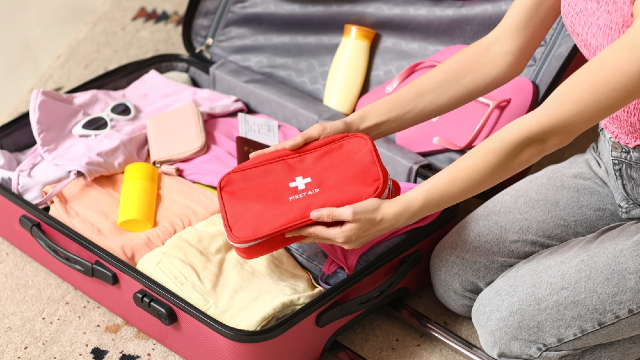
What to Pack Before Flying to Korea for Vein Surgery
What to pack before flying to South Korea for vein surgery: documents, medication and supplement lists, clothing, compression, and what to arrange at home.
Learn More
What Are Varicose Veins? Causes, Symptoms, and Signs
Varicose veins are enlarged, twisted leg veins caused by valve dysfunction. Learn the causes, the symptoms they produce, and when to see a vein specialist.
Learn More