Personalized Medical Care & Dedicated International Patient Concierge

Medical Guide
Vein Treatment Follow-Up and Outcome Monitoring in Korea
Ium Hazi Varicose Vein Clinic sets an examination about one week after treatment and an ultrasound check at one to two months. Here is what each covers.
Schedule a ConsultationHow Ium Hazi Varicose Vein Clinic Monitors and Follows Up on Treatment Outcomes
Medically reviewed by Dr. Dong-Hyuk Kim, Board-Certified General Surgeon, Medical Director of Ium Hazi Varicose Vein Clinic
A vein treatment follow-up protocol is the part of care that happens after the procedure is over, and at Ium Hazi Varicose Vein Clinic it runs on a stated timetable rather than on whether a patient happens to call. For its surgical pathway the clinic sets an examination within about one week of treatment and an ultrasound assessment within approximately one to two months, and it notes that the exact timing shifts from one patient to another. This article describes that timetable, explains what each appointment is looking at, and sets out how the findings feed back into the treatment plan.
What the Follow-Up Schedule Actually Looks Like
The schedule has three fixed points and one conditional one, and all four are published by the clinic in its own procedure documentation.
The first point is the assessment that happens before you go home. For its endovenous ablation treatments, Ium Hazi Varicose Vein Clinic lists post-procedure assessment and walking before discharge as the closing steps of the procedure itself, and describes discharge on the afternoon of the surgery day for its surgical pathway.
The conditional point comes next. The clinic states that an examination on the day after treatment may be recommended where circumstances call for it. It is not automatic; it is available when the treating physician judges it useful.
The third point is the one-week visit. The clinic recommends a follow-up examination within about one week after surgery.
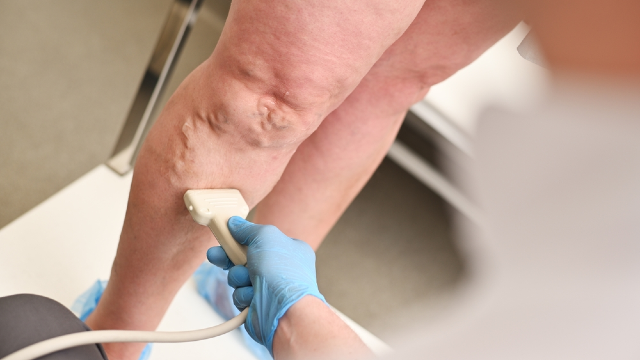
The fourth is the imaging check. Ultrasound monitoring is performed within approximately one to two months, and its stated purpose in the surgical pathway is to assess the small veins that remain. Across the clinic's endovenous treatments the same tool carries a second job. Where a vein has been closed with a catheter-based technique, the clinic states that ultrasound at follow-up can confirm that closure, and its written aftercare asks patients to keep those imaging appointments.
Those intervals are the framework. The clinic also notes that the number of visits and the follow-up schedule depend on the individual treatment plan, so your own calendar may carry more appointments than the framework implies, particularly if more than one technique was used or both legs were treated.
Monitoring Sits Inside the Clinic's Stated Safety Process
Follow-up at this practice is not described as a courtesy attached to the end of treatment. It appears as a named component of the clinic's quality control and safety process.
That process, as the clinic sets it out, runs from physician-led consultation and diagnosis through the procedure itself to post-operative care, and takes in imaging and clinical evaluation before treatment, a capped daily surgical workload, documented sterilization systems, single-use devices that are never reused, and — last on the list — post-operative vascular ultrasound monitoring with follow-up care.
That last item is the subject of this article, and where it sits matters. A practice that files post-treatment imaging alongside its sterilization and pre-treatment assessment is classifying monitoring as a safety procedure with a defined trigger and a defined output, rather than as a courtesy extended to patients who ask.
One structural feature makes the arrangement unusual. Ium Hazi Varicose Vein Clinic operates a single-director system, and Dr. Dong-Hyuk Kim personally performs each diagnosis, each procedure and each follow-up. The physician reading your one-month scan is the physician who treated the vein, which removes the handoff that usually sits between a procedure and its review.
Before You Leave: The First Checkpoint
The monitoring program starts before you have left the building, and it is worth knowing what is being checked.
For its endovenous ablation treatments the clinic's final procedural steps are the removal of the device, dressing of the access point, and then a post-procedure assessment with walking before discharge when appropriate. Walking is not a formality here — it is a functional test as well as circulatory advice, since a patient who is comfortable on their feet is demonstrating something that no verbal report can.
For the surgical pathway, the clinic describes monitoring after the procedure followed by same-day discharge, generally on the afternoon of the operation. What you take away from that appointment is the aftercare package: instructions on walking and activity, medication, wound care, and compression where it has been prescribed.
Write those instructions down or ask for them in writing. MedlinePlus, published by the US National Library of Medicine, builds its general advice on recovering from a procedure around two habits: do what the written discharge instructions say, and keep the appointments you were given.
The Examination the Day After, and When It Is Used
The clinic describes an examination the following day as something that may be recommended when necessary, which makes it a clinical judgment rather than a fixed step.
It is easiest to understand as a short-interval safety check available to the treating physician. In the first twenty-four hours, the things a clinician can assess by eye and by hand are the access site, the extent of bruising and swelling, the fit and tolerance of compression if it was prescribed, and whether the patient is moving comfortably.
If you are traveling to Seoul for treatment, this is a practical reason to keep the day after your procedure clear rather than scheduling it tightly. You may not need the appointment. It is easier to be offered it and not need it than to need it and be three hours outside the city.
The One-Week Examination and What It Covers
The one-week visit is a clinical examination rather than an imaging appointment, and that distinction shapes what it can settle.
By seven days, the ordinary temporary effects the clinic documents after its treatments are well underway: bruising, swelling, tenderness, tightness and sometimes localized numbness along the treated vein. The clinic describes these as persisting for several days to a few weeks. The examination establishes whether what you have is that expected pattern, and whether it is moving in the right direction.
The access site is the second item. The clinic lists infection among the less common complications of its vein treatments, and the week mark is when a wound problem would ordinarily be declaring itself.
Third is the aftercare plan itself. The clinic's post-operative care includes individualized guidance on medical compression stockings, and a week of actually wearing them is the point at which fit and tolerance can be reviewed against real experience rather than a fitting-room impression.
Fourth is activity. The clinic asks patients to follow the physician's instructions on walking and activity and to avoid strenuous activity or prolonged standing for the period the treating physician recommends. A review at one week is where that period gets confirmed or adjusted for you specifically.
Finally, it is a conversation. MedlinePlus's guidance on talking with your doctor recommends preparing your questions in advance and taking notes, which applies more than usual to an appointment conducted in your second language or through interpretation. Bring a written list.
The Ultrasound Check at One to Two Months
The imaging appointment answers a different question from the one-week visit, and it is the appointment that makes this a monitoring program rather than a wound check.
Ium Hazi Varicose Vein Clinic states that ultrasound monitoring within one to two months is used to assess the small veins that remain after surgery. For its endovenous treatments it states that follow-up ultrasound may be used to confirm closure of the treated vein and to evaluate the treatment result. The clinic also notes that timing can vary by patient.
Three things are established at that appointment. The first is the status of the treated vein — whether it has stayed closed. The clinic lists reopening of a treated vein among the less common complications of its ablation treatments, which is precisely the finding imaging exists to detect.
The second is the state of the surrounding venous system, including the small veins the clinic describes as potentially remaining after surgery. Residual veins that were present all along are a different matter from new disease, and the scan is what distinguishes them.
The third is anything unexpected. Blood clots sit on the clinic's published list of less common complications following its vein treatments, and imaging is how a suspected one gets assessed.
The examination itself is undemanding. The US Food and Drug Administration describes diagnostic ultrasound as an imaging method that forms pictures of structures inside the body using sound waves, without the ionizing radiation involved in X-ray imaging. That is a large part of why a venous practice can repeat the study as often as it is clinically useful rather than rationing it.
What a Scan Establishes That an Examination Cannot
A follow-up scan and a follow-up examination are answering different questions, and confusing them is a common source of unnecessary worry.
An examination tells you about the surface: the skin, the access site, the swelling, the discomfort, the visible veins. A scan tells you about flow inside a vessel you cannot see. A leg can look unremarkable while a treated segment has quietly reopened, and a leg can look discouraging at six weeks while the underlying result is exactly what was intended, because the clinic describes symptoms and appearance improving progressively as the body adapts and as bruising and swelling settle.
That gap is why the imaging appointment is scheduled rather than offered on request. A program that waits for the patient to raise a concern only finds the problems that produce symptoms.
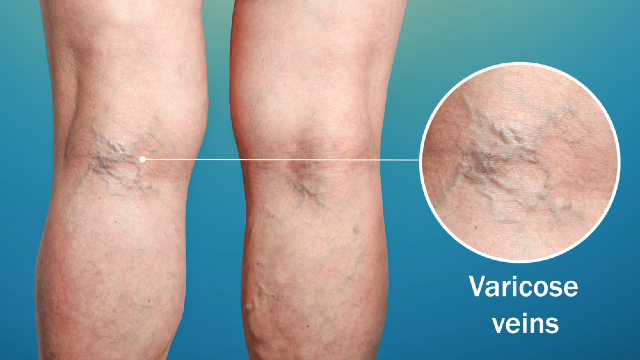
It helps to remember what is being monitored. The National Heart, Lung, and Blood Institute describes varicose veins as arising when the valves inside a leg vein stop closing properly, so blood collects in the vessel instead of returning efficiently toward the heart. MedlinePlus notes that varicose veins are common, that they most often affect the legs, and that they can produce aching, heaviness and swelling as well as a visible change in the vein. Follow-up imaging is looking at that circulation rather than at the cosmetic result, which is why the appointment is worth keeping even when the leg already looks better to you.
What the Clinic Does With the Findings
Monitoring is only useful if the results change something, and the clinic documents two specific ways they do.
The first is the treatment plan. Where residual small veins remain after surgery, the clinic states that additional injection treatment may be considered for cosmetic reasons. That is a decision made on the evidence of the one-to-two-month scan rather than assumed in advance — which is consistent with the stated philosophy of Dr. Dong-Hyuk Kim, who describes identifying the underlying cause precisely and providing only the treatment or combination of treatments each patient needs, avoiding unnecessary procedures. Any injection-based treatment sits inside that pathway as a step that follow-up findings may or may not support, and the route into it is a diagnostic consultation, not a standing offer.
The second is the aftercare plan. Compression guidance is described by the clinic as individualized, and activity restrictions are described as running for the period the treating physician recommends. Both are open to revision at a review appointment.
The clinic is also explicit about the limits of what follow-up settles. It notes that veins which were never treated can develop problems later on, and that long-term results differ from patient to patient. What that means for the durability of your result over years is a separate subject from the monitoring calendar, and it deserves its own conversation with the physician who treated you.
How a Practice Accumulates a Record of Its Own Work
There is a second sense in which outcomes get tracked, which is at the level of the practice rather than the patient.
Ium Hazi Varicose Vein Clinic publishes the figure of 7,300+ saphenous vein surgeries performed between 2009 and 2024 by Dr. Dong-Hyuk Kim. That is the clinic's own published statistic, and its value here is specific: a practice that has treated and then reviewed that many saphenous veins has seen the full range of how they behave afterward, which is the experience a follow-up appointment draws on.
Dr. Dong-Hyuk Kim is a board-certified general surgeon and the clinic's Medical Director, and he completed his medical education at Sungkyunkwan University School of Medicine. The clinic states that it has focused exclusively on varicose vein diagnosis and treatment since 2009 and describes more than 15 years of clinical experience, research and expertise dedicated to varicose vein care. Its daily surgical caseload is deliberately capped at one to two cases, which is a scheduling decision with a direct consequence for follow-up: appointments have to fit into the same physician's day as the procedures.
Documented treatment cases are also part of how the clinic answers questions about its results, and that material is published on its before-and-after page. Its about page sets out how the practice is arranged.
The honest caveat about any volume figure is that it describes experience, not a promise about your individual result. The clinic states plainly that results vary by patient.
Following the Schedule From the United States
A follow-up calendar built around visits at one week and at one to two months does not fit neatly around a trans-Pacific flight, and the sensible time to address that is before you book anything.
Arranging continuity of care ahead of time, and collecting copies of your records before you leave the country that treated you, are both recommendations the CDC's Yellow Book makes to patients who travel for medical care. That is directly actionable here: the clinic states that ultrasound images can be saved to a USB drive on request, which gives any clinician who sees you later something concrete to compare against.
Three questions are worth settling in writing before you travel. Which of the scheduled appointments will fall inside your stay. What will be done about any that fall after your departure. And what records, images and written instructions you will be carrying home.
The clinic states that English communication is available online and that there are no language limitations across its patient services. Scheduling and follow-up questions both go through its contact page, which is also where the online consultation process runs.
What the Program Asks of You
A monitoring schedule only works if both sides keep it, and the clinic's aftercare documentation is specific about the patient's part.
Attend the scheduled follow-up examinations and ultrasound assessments. Follow the instructions on walking, activity, wound care, medication and compression. Avoid strenuous activity and prolonged standing for the period you were given.
And report symptoms rather than waiting for the next scheduled visit. The clinic asks patients to make contact promptly when leg pain or swelling turns severe or starts worsening, when the skin changes markedly, or when fever, chest pain or breathlessness appears. Those are not events a calendar is designed to catch.
The Bottom Line
- Ium Hazi Varicose Vein Clinic documents a follow-up examination within about one week of surgery and ultrasound monitoring within approximately one to two months, and states that timing can vary by patient.
- An examination the day after treatment may be recommended when the treating physician judges it necessary, and a post-procedure assessment with walking is part of the procedure itself before discharge.
- The one-week visit is a clinical review of the access site, bruising, compression and activity; the one-to-two-month scan assesses whether the treated vein has stayed closed and what remains in the surrounding veins.
- Post-operative vascular ultrasound monitoring and follow-up care are listed by the clinic as part of its quality control and safety process, and the same physician performs the treatment and the review.
- International patients should settle before traveling which appointments fall inside the trip, what will replace any that do not, and what records and images they will take home.
Frequently Asked Questions
When is the first follow-up appointment after vein treatment at this clinic?
Ium Hazi Varicose Vein Clinic recommends a follow-up examination within about one week after surgery. An examination the day after treatment may also be recommended when the treating physician considers it necessary. For its endovenous treatments, a post-procedure assessment with walking is carried out before discharge on the day of the procedure.
When is the follow-up ultrasound performed?
The clinic performs ultrasound monitoring within approximately one to two months after surgery, and notes that the exact timing can vary between patients. Where a vein was closed with a catheter-based technique, the clinic states that imaging at follow-up can confirm the closure, and it asks patients to keep those appointments.
What does the follow-up ultrasound look at?
It assesses the treated vein and the small veins that remain. The clinic states that follow-up ultrasound may be used to confirm closure of the treated vein and to evaluate the treatment result, and that ultrasound monitoring at one to two months is used to assess remaining small veins. The FDA describes diagnostic ultrasound as imaging that uses sound waves and involves no ionizing radiation.
Who performs the follow-up appointments?
Dr. Dong-Hyuk Kim, the clinic's Medical Director and a board-certified general surgeon, performs them. The clinic operates a single-director system in which the same physician carries out each consultation, each diagnostic ultrasound, each procedure and each follow-up, so the clinician reviewing your result is the one who treated the vein.
What happens if the follow-up scan finds residual veins?
The clinic states that additional injection treatment may be considered for cosmetic reasons when residual small veins remain after surgery. Whether that step is appropriate is a clinical decision taken on the evidence of the scan and discussed at a consultation, and the clinic's stated philosophy is to provide only the treatment each patient needs.
Should I contact the clinic between scheduled appointments?
Yes, if something concerning develops. The clinic names leg pain or swelling that is severe or getting worse, pronounced changes in the skin, fever, chest pain and breathlessness, together with any other symptom that worries you. Routine questions can use the same English-language online channel listed on its contact page.
This article is for general informational purposes and does not constitute individualized medical advice. Candidacy, technique, and expected outcomes can only be determined through a consultation with a qualified physician, and this article is not a self-diagnosis tool.
References
- FDA: Ultrasound Imaging
- MedlinePlus: After Surgery
- MedlinePlus: Talking With Your Doctor
- MedlinePlus: Varicose Veins
- NHLBI: Varicose Veins
- CDC Yellow Book: Medical Tourism
More Articles
Continue reading our clinical guides.
Will My Varicose Veins Come Back After Treatment?
A closed vein and a new varicose vein are different events. Here is what recurrence after vein treatment in Korea means and how follow-up imaging detects it.
Learn More

What to Pack Before Flying to Korea for Vein Surgery
What to pack before flying to South Korea for vein surgery: documents, medication and supplement lists, clothing, compression, and what to arrange at home.
Learn More
What Are Varicose Veins? Causes, Symptoms, and Signs
Varicose veins are enlarged, twisted leg veins caused by valve dysfunction. Learn the causes, the symptoms they produce, and when to see a vein specialist.
Learn More