Personalized Medical Care & Dedicated International Patient Concierge


Medical Guide
Radiofrequency Ablation for Varicose Veins: How RFA Works
Radiofrequency ablation closes varicose veins with catheter-delivered heat at 120°C. Learn how the technique works, who qualifies, and what recovery involves.
Schedule a ConsultationRadiofrequency Ablation (RFA) Explained: How Medtronic ClosureFast Technology Closes Varicose Veins
Medically reviewed by Dr. Dong-Hyuk Kim, Board-Certified General Surgeon, Medical Director of Ium Hazi Varicose Vein Clinic
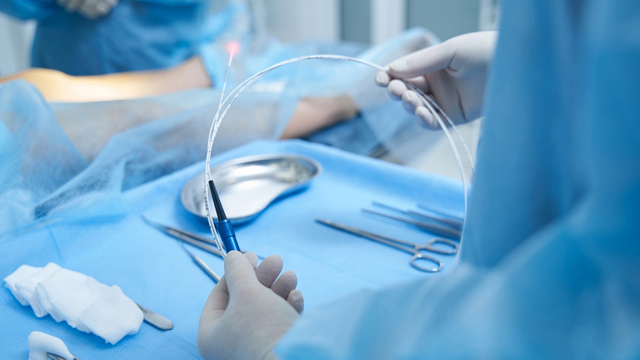
Radiofrequency ablation is a treatment for varicose veins in which a catheter is threaded into the affected vein and radiofrequency energy delivers 120°C heat in a 360-degree manner. That heat deforms the inner lining of the vein and triggers a fibrotic reaction, and the vein closes as a result. Ium Hazi Varicose Vein Clinic in Seocho-gu, Seoul performs RFA using advanced radiofrequency equipment from Medtronic, USA, and states that same-day discharge is possible with most people resuming normal life the next day. This guide covers the mechanism, the candidacy assessment, the anesthesia, the aftercare instructions the clinic gives, and the risks that belong in the conversation before you consent.
What RFA Is Treating
RFA is aimed at venous reflux, meaning blood flowing backward through a leg vein because its one-way valves are no longer sealing. MedlinePlus, the consumer health service of the US National Library of Medicine, describes varicose veins as enlarged, twisted veins near the surface of the skin that most often appear in the legs and can bring aching, swelling, itching, and heaviness. The National Heart, Lung, and Blood Institute (NHLBI) attributes the condition to weakened or damaged valves and notes that pregnancy, family history, advancing age, extra body weight, and long periods of standing all raise the likelihood of developing it.
Treating the visible cluster on the calf without addressing the leaking trunk above it usually disappoints. That is the reason the clinic's process begins with imaging: the leg's deep veins, saphenous veins, subcutaneous veins, and perforating veins are examined so the source of the backward flow can be identified before any catheter is chosen.
How the Radiofrequency Catheter Closes a Vein
Radiofrequency energy heats tissue directly rather than burning through it from outside. In RFA the catheter sits inside the vein and delivers heat to the vein wall all the way around its circumference. Ium Hazi Varicose Vein Clinic documents the mechanism in four steps: a radiofrequency catheter is inserted into the affected vein; radiofrequency energy delivers 120°C heat in a 360-degree manner; the heat changes the inner lining of the vein and induces a fibrotic reaction; and the treated vein closes.
That fibrotic reaction is the point. The vein wall responds to controlled thermal injury by scarring inward, and scarred tissue seals the channel rather than leaving an open tube for blood to pool in. Once the segment is sealed, venous return continues through other veins whose valves are still competent. The clinic describes RFA as similar in principle to laser surgery, and it states that it uses advanced Medtronic radiofrequency hardware to deliver that constant temperature around the full 360 degrees of the vein wall.
Because the heat is applied segment by segment along the vein rather than at a single point, treatment covers the length of the diseased trunk that imaging identified. The clinic's stated procedure duration is 30 minutes to 1 hour.
A word about regulatory language, since brand names invite confusion. The US Food and Drug Administration (FDA) publishes consumer guidance explaining that "FDA registered," "FDA cleared," and "FDA approved" mean different things, and that a firm listing itself with the agency has not thereby received agency approval of a device. When you compare vein clinics, treat device marketing that blurs those terms as a reason to ask more questions, not fewer.
Who Is a Candidate for RFA

Suitability rests on what the ultrasound shows. Patients with varicose veins caused by an affected vein that can be safely accessed and treated with a radiofrequency catheter may be candidates, and the clinic determines this through vascular evaluation and imaging. Confirmed reflux is the starting requirement.
There is a clear limit the clinic names openly. RFA can be difficult to apply when varicose veins are advanced and the blood vessels are severely tortuous, and such cases require the technique of a skilled specialist. A catheter needs a path it can follow; a heavily twisted vessel does not always offer one. Rather than treating that limitation as a marketing inconvenience, the clinic states it as a factor in choosing a method.
Anyone with an active infection at the site, a medical condition needing attention first, or anatomy that imaging shows to be unsuitable should expect the conversation to move toward a different plan. Final suitability is a physician's judgment after examination and ultrasound, not a decision that can be made from a photograph of your leg.
The Consultation and Ultrasound That Comes First
Before any catheter is considered, the clinician reviews your symptoms and medical history, performs a physical examination, and uses duplex ultrasound to identify reflux, evaluate the affected vein, and determine whether RFA is appropriate. The ultrasound assesses the size, shape, and location of the leg veins while showing blood flow and reflux as they happen, and the findings are explained to you using both the images and the moving reflux flow. Images can be saved to a USB drive if you ask.
MedlinePlus encourages patients to prepare questions in advance and to keep asking until the answers make sense, and its guidance on talking with your doctor is a useful frame for this appointment. The FDA's consumer page on ultrasound imaging describes the technique as producing pictures of structures inside the body using sound waves, without ionizing radiation, which is why repeated venous mapping before and after treatment is practical.
Ask at this visit what your insurer will need. Coverage for vein treatment depends on your plan and on the diagnosis documented, so the question belongs to your insurance company directly.
Preparing for the Day of Treatment
The clinic's pre-procedure instructions for RFA are specific. Fast before the procedure. Get sufficient rest beforehand. Do not take diabetes medication, following the clinic's instruction on this point. Tell the medical staff about any constitutional or health conditions that apply to you, and disclose every other medication you take, including anything a different doctor prescribed and anything you buy without a prescription.
Arrange your transport in advance as well, because the clinic instructs patients not to drive on the day of surgery and recommends public transportation instead. That single instruction shapes the logistics of the whole day, so plan it before you arrive rather than after.
Anesthesia and What the Procedure Feels Like
Ium Hazi Varicose Vein Clinic lists local anesthesia and sedation anesthesia for RFA. Local anesthesia numbs the treatment area while you stay awake, which MedlinePlus describes as the usual arrangement for procedures done on one part of the body, and sedation is used when it is indicated for the patient.
You may experience some discomfort during the procedure. The clinic also notes that anesthetic fluid can temporarily seep from the needle puncture site after treatment, which is expected rather than alarming and typically settles within a few days. Knowing this in advance saves an anxious phone call on the first evening.
Recovery: The First Day and the Weeks After
Same-day discharge is possible, and the clinic states that most people can resume normal life the next day. That is the shape of RFA recovery: quick return to ordinary movement, with sensible limits.
The clinic advises avoiding excessive walking or overexertion if it causes discomfort, which is a more useful instruction than a fixed step count. Take prescribed medication as directed. Refrain from smoking and drinking alcohol for the period you are told. Light showering is permitted even while anesthetic fluid is still leaking from the puncture site. Do not drive on the day of surgery.
Two sensations are worth expecting. Temporary sensory abnormalities are listed by the clinic as a side effect of RFA. A pulling sensation or lumps may develop in the surgical area and gradually disappear as the treated vein is reabsorbed. Neither is a sign of failure; both should be mentioned at follow-up so the physician can examine them.
MedlinePlus notes that bruising occurs when small vessels under the skin break and that the mark changes color as the body clears it, which explains why a treated leg can look worse before it looks better. Its general guidance on pain after a procedure is a reminder to report pain that intensifies rather than fades.
Risks You Should Hear About
The side effect the clinic lists directly for RFA is temporary sensory abnormality, along with the seeping anesthetic fluid and the pulling sensation or lumps described above. Beyond that, catheter-based vein ablation carries a general set of risks that any patient should hear plainly: bruising, swelling, tenderness, tightness, nerve irritation, skin injury, blood clots, and incomplete or recurrent vein closure.
Clotting risk is the one to take most seriously. MedlinePlus explains that deep vein thrombosis forms in a deep vein, usually in the leg, and that part of the clot can break loose and lodge in the lungs as a pulmonary embolism. The Centers for Disease Control and Prevention (CDC) lists surgery, injury to a vein, reduced mobility, hormone therapy, pregnancy, cancer, and a prior history of clots among the factors that raise this risk, and notes that leg swelling, pain, tenderness, warmth, or discolored skin can signal a clot. Sudden breathlessness or chest pain after a leg procedure needs emergency care, not a wait.
Nerve irritation is the second. Sensory nerves run close to the saphenous veins in places, and heat applied nearby can leave a patch of numbness or tingling. The clinic's listing of temporary sensory abnormalities reflects exactly this.
Recurrence is the third, and it applies to every vein technique. Successful RFA is intended to close the treated vein, but venous disease can develop in veins that were never treated. No one should describe this or any other ablation to you as a cure for varicose veins, and follow-up assessment exists precisely because the leg keeps changing after the catheter is gone.
Results and Follow-Up
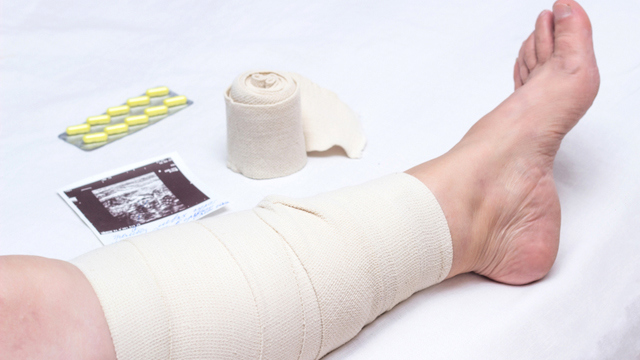
Successful RFA is intended to close the treated vein, and recovery of the surrounding tissue happens over time. Follow-up clinical assessment, vascular ultrasound, or both may be used to evaluate the result, which is the honest way to check closure rather than judging by appearance. Aftercare at this clinic is built around ultrasound: examinations are scheduled after treatment, compression stocking guidance is given individually, and a check the following day is recommended where the physician judges it useful.
If you are traveling home, confirm the appropriate timing for air travel with the treating physician based on your recovery and follow-up needs. Long-haul travel keeps you immobile for hours, and the CDC Yellow Book identifies that immobility as a recognized contributor to venous thrombosis, which makes the flight date a clinical question. Its medical tourism guidance also recommends arranging follow-up and records before you leave the country where you were treated.
Who Performs RFA at Ium Hazi Varicose Vein Clinic
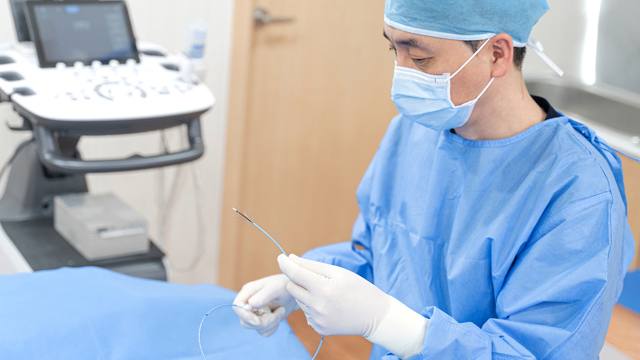
The clinic operates a single-director system: Dr. Dong-Hyuk Kim, a board-certified general surgeon and Medical Director, personally carries out each consultation, diagnostic ultrasound, and procedure. His medical education was at Sungkyunkwan University School of Medicine, and radiofrequency ablation is among his listed core specializations alongside vascular ultrasound diagnosis and point micro-surgery. The clinic describes more than 15 years dedicated exclusively to varicose vein care and publishes its own figure of 7,300+ saphenous vein surgeries performed between 2009 and 2024.
Its safety process includes doctor-led diagnosis and post-operative care, pre-operative ultrasound and clinical evaluation, a cap of one to two surgeries per day, autoclave and E-O gas sterilization, no reuse of disposable devices, and post-operative ultrasound monitoring. Business registration 135-91-93104 belongs to the clinic, which also carries certification from the Ministry of Health and Welfare as a Registered Medical Institution for Attracting Foreign Patients, and which received the Medical Asia 2024 Grand Prize in the varicose vein category. Documented treatment outcomes are published on its before-and-after page, and a diagnostic consultation can be requested through the contact page.
The Bottom Line
- RFA closes a refluxing vein by delivering 120°C heat in a 360-degree manner through a catheter, deforming the vein's inner lining and inducing a fibrotic reaction that seals it.
- Ium Hazi Varicose Vein Clinic uses advanced Medtronic radiofrequency equipment and reports a procedure time of 30 minutes to 1 hour with same-day discharge.
- Severely tortuous, advanced varicose veins can be technically difficult to treat with a catheter, so duplex ultrasound decides candidacy.
- Expect fasting beforehand, no driving on the day of surgery, light showering while anesthetic fluid seeps from the puncture site, and no smoking or alcohol for the period advised.
- Temporary sensory changes, pulling sensations, and lumps are documented effects; blood clots, nerve irritation, and recurrence are the general risks of vein ablation and should be discussed before consent.
Frequently Asked Questions
Who is a good candidate for radiofrequency ablation?
Patients with confirmed venous reflux or varicose veins whose affected vein is suitable for RFA based on clinical assessment and vascular ultrasound may be candidates. The vein needs to be safely accessible to a catheter along its treated length. Severely tortuous veins in advanced disease can be technically difficult and require a skilled specialist's technique.
How long does RFA take, and can I go home the same day?
The procedure takes approximately 30 minutes to 1 hour. Same-day discharge is possible at Ium Hazi Varicose Vein Clinic, and the clinic states that most people resume normal life the following day. Your own schedule still depends on the consultation, the treatment plan, and any follow-up the physician recommends.
What anesthesia is used for RFA?
Local anesthesia and sedation anesthesia are the options listed by the clinic. Local anesthesia numbs the treatment area while you remain awake, which MedlinePlus describes as standard for procedures confined to one region of the body. The plan for your case is set during consultation based on your condition and the area being treated.
How should I prepare on the day before treatment?
Fast as instructed, rest well, and follow the clinic's direction regarding diabetes medication. Tell the medical staff about your health conditions and every medication you take, including over-the-counter products and supplements. Arrange transportation, because the clinic advises against driving on the day of surgery and recommends public transportation instead.
Is fluid leaking from the puncture site normal?
The clinic notes that anesthetic fluid may seep from the needle puncture site for a few days after RFA and advises taking a light shower during that period. This is an expected part of recovery rather than a complication. Any fluid that becomes cloudy, smells unusual, or comes with spreading redness and fever should be reported promptly.
What side effects are commonly reported after RFA?
Temporary sensory abnormalities are the side effect the clinic lists, and it also notes that a pulling sensation or lumps can appear in the treated area and gradually disappear. Bruising and tenderness are common after catheter-based vein treatment generally. MedlinePlus notes that bruises change color as the body reabsorbs the blood beneath the skin.
Can varicose veins return after radiofrequency ablation?
Yes, they can. RFA is intended to close the vein that was treated, but veins elsewhere in the leg can develop reflux later, and incomplete or recurrent closure is a recognized risk of ablation in general. Follow-up clinical assessment and vascular ultrasound are used to evaluate the result over time.
When is it safe to fly home after RFA?
Confirm the timing with your treating physician, who will base it on your recovery and any follow-up you still need. The CDC notes that long periods of immobility during travel are associated with an increased risk of deep vein thrombosis. Discuss movement during the flight, hydration, and any compression your physician recommends before you book.
This article is for general informational purposes and does not constitute individualized medical advice. Candidacy, technique, and expected outcomes can only be determined through a consultation with a qualified physician, and this article is not a self-diagnosis tool.
References
- MedlinePlus: Varicose Veins
- NHLBI: Varicose Veins
- MedlinePlus: Deep Vein Thrombosis
- CDC: Risk Factors for Blood Clots
- MedlinePlus: Anesthesia
- MedlinePlus: Pain
- MedlinePlus: Bruises
- MedlinePlus: Talking With Your Doctor
- FDA: What Is FDA Approved?
- FDA: Ultrasound Imaging
- CDC Yellow Book: Medical Tourism
More Articles
Continue reading our clinical guides.
Will My Varicose Veins Come Back After Treatment?
A closed vein and a new varicose vein are different events. Here is what recurrence after vein treatment in Korea means and how follow-up imaging detects it.
Learn More
What to Pack Before Flying to Korea for Vein Surgery
What to pack before flying to South Korea for vein surgery: documents, medication and supplement lists, clothing, compression, and what to arrange at home.
Learn More
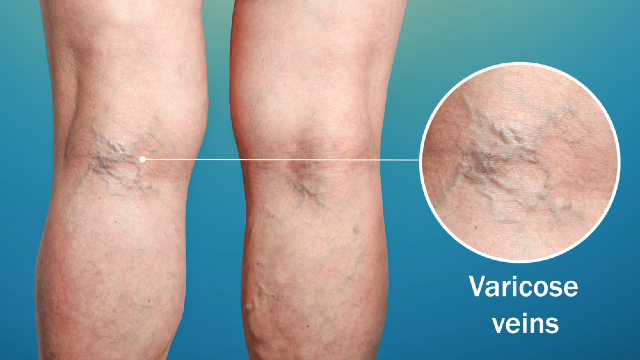
What Are Varicose Veins? Causes, Symptoms, and Signs
Varicose veins are enlarged, twisted leg veins caused by valve dysfunction. Learn the causes, the symptoms they produce, and when to see a vein specialist.
Learn More