Personalized Medical Care & Dedicated International Patient Concierge


Medical Guide
Planning a Trip to Seoul for Varicose Vein Treatment
A step-by-step timeline for planning a trip from the US to Seoul for varicose vein treatment, from first contact and records through follow-up and departure.
Schedule a ConsultationPlanning Your Trip from the US to Seoul for Varicose Vein Treatment: A Step-by-Step Timeline
Medically reviewed by Dr. Dong-Hyuk Kim, Board-Certified General Surgeon, Medical Director of Ium Hazi Varicose Vein Clinic
Planning a trip from the US to Seoul for vein treatment is a sequencing problem before it is a travel problem. The order that works is: make contact and share your history, settle your own medical housekeeping at home, book flights around the clinic's calendar and around the appointment structure rather than the other way around, and leave the return date loose enough to absorb a follow-up appointment. This article lays that sequence out as a working timeline, from the first message you send to the day you land back in the United States.

How This Timeline Is Built
Two decisions sit at the center of the schedule, and neither is made by the calendar.
The first is how long you will be in Korea. That number is set by which treatment your ultrasound findings point to, and Ium Hazi Varicose Vein Clinic publishes stay ranges by treatment family rather than a single figure that applies to everyone. The second is when you can board a plane home. For deeper vein treatments the clinic publishes no fixed flying window at all and states that air travel should follow the treating physician's individualized confirmation, while for lighter surface treatments it does describe short windows.
Both of those are clinical answers, and both arrive after your evaluation, not before it. The timeline below is therefore built so that the parts you control — paperwork, tickets, lodging, time off — are settled early, and the parts a physician controls are left with room to move.
One structural feature of this particular practice shapes the schedule as well. Ium Hazi Varicose Vein Clinic operates a single-director system: every stage — the first consultation, the diagnostic scan, the treatment itself and each check afterward — is carried out by Dr. Dong-Hyuk Kim, working to a deliberately limited caseload of one to two surgeries per day. That means your appointments are appointments with one specific surgeon's diary, and it is worth treating them as such when you propose dates.
Eight to Twelve Weeks Out: Make Contact and Share Your History
The first move is a written exchange with the clinic, not a flight search.
Ium Hazi Varicose Vein Clinic directs international inquiries through its contact page, and it states that English-language support is available to international patients through its primary contact channel. This early exchange has a specific job: to establish what you are describing, what you are hoping for, and roughly what kind of care pathway that might involve, so that neither side is surprised in the consultation room.
Send a description that is useful. Which leg or legs, how long the veins have been visible, what the symptoms are — aching, heaviness, swelling, cramps, itching, night discomfort, skin changes — and what changes them. Note any previous vein treatment anywhere, including injections. Note any previous blood clot. Note whether you are pregnant or planning a pregnancy, since the clinic states that treatment may be deferred during pregnancy and, depending on the circumstances, breastfeeding.
You should also ask, in this same exchange, what the clinic expects your visit to involve and what it needs from you in advance. The CDC's Yellow Book chapter on medical tourism makes the general point that a person traveling abroad for a procedure should establish in advance how care is coordinated, what documentation will move between clinicians, and how any problem after the trip is handled. Asking those questions at first contact rather than at discharge is the whole point of starting twelve weeks out.
Two further things belong here. First, ask what the consultation will actually consist of, so you can judge how many clinic days your itinerary needs. Second, if you want to see the practice's own documentation of its work before committing, it publishes patient-facing material on its reviews page and its before-and-after page.
Six to Eight Weeks Out: Your Own Physician, Your Records, Your Medications
This is the block most travelers skip, and it is the one that changes the quality of your consultation in Seoul.
The CDC recommends a pre-travel consultation with your own clinician, ideally several weeks ahead of an international trip, covering your health history, your destination, your medications and your planned activities. For a trip that includes a leg procedure, that visit does double duty. It is where you confirm that your chronic conditions are stable enough for elective treatment, where you get a current medication list in writing, and where you agree what your clinician wants to see afterward.
Assemble a records packet in that same window. For a diagnostic evaluation, Ium Hazi Varicose Vein Clinic asks patients to arrive carrying the medical records that are pertinent, whatever earlier test results exist, and an account of the medications they take and the symptoms they have. If you have had a duplex ultrasound of your legs in the United States, bring the report. If you have had a clot, bring the documentation of it. MedlinePlus, the patient information service of the US National Library of Medicine, encourages patients to prepare for appointments by organizing their history and writing questions down in advance, and a records packet is the physical form of that advice.
Your medication and supplement list deserves its own attention. The clinic repeatedly instructs patients to disclose a complete medication list, including blood-thinning medicines and supplements, and states plainly that prescribed medication should not be stopped unless the treating clinician specifically instructs it. That instruction runs in both directions: do not stop anything on your own initiative, and do not leave anything off the list because it seems minor.
Five to Six Weeks Out: Book Around the Clinic's Calendar
Buy tickets only after you know which days the clinic is open, because the closures are not the ones a US patient would predict.
Consulting hours at Ium Hazi Varicose Vein Clinic run from 9:30 AM until 7:00 PM on four weekdays — Monday, Tuesday, Wednesday and Friday — with a shorter Saturday covering the morning and the start of the afternoon. Registration closes earlier than the clinic does: 6:00 PM on a weekday, 2:00 PM on a Saturday. Thursday is a closed day, so is Sunday, and so are the fourth Friday and the fourth Saturday in each month. Five holidays are closed as well — New Year's Day, Seollal, Children's Day, Chuseok and Christmas — with those dates announced ahead of time. A lunch break of 1:00 to 2:00 PM applies on ordinary weekdays and is dropped on public holidays the clinic opens.
Read that list as a scheduling constraint rather than trivia. A Thursday closure sitting between a consultation and a planned procedure day pushes the whole itinerary. A trip that happens to span the fourth Friday and Saturday of the month can lose two working days in a row. Confirm your specific dates against the clinic's own schedule through the contact page before your ticket becomes hard to change.
Three booking principles follow from all of this:
- Buy a return ticket you can change, and treat the return date as provisional until a physician confirms it.
- Choose lodging you can reach easily and leave easily, since you will be making repeat trips to the same address in Seocho-gu rather than touring.
- Give yourself a buffer day at the front of the trip, before any appointment.
Four Weeks Out: Time Off, Help at Home, and the Return-Side Plan
Arrange the things that are difficult to arrange from another continent.
Time off should cover more than the days in Korea. The clinic describes early walking and a return to light daily activity for many of its procedures, but it also tells patients to stay away from overexertion, from strenuous activity and from standing for long stretches until the physician says otherwise, and recovery varies with the technique used and the number of veins treated. Build that into how you plan your first week back at work rather than discovering it on a Monday morning.
Line up someone at home who knows where you are and what you are having done. Decide now how you will get from the airport to your own front door on the return leg, when you will be tired and less mobile than usual.
Finally, settle the money question with your own insurer in the only way that is reliable: ask them directly. Whether any part of care received abroad is covered depends on your specific plan and on the diagnosis, and only your plan can tell you what it will and will not do. Ask the question in writing and keep the answer.
Two Weeks Out: Write Your Questions Down
By now the clinical content of the trip should be the thing you are preparing for.
MedlinePlus advises patients to bring a written list of questions to appointments and to raise anything they do not understand, and its guidance on choosing a health care service treats understanding the whole course of care — including follow-up — as part of the decision rather than an afterthought. For a vein consultation abroad, a useful list covers: what the ultrasound showed, which veins are involved, which treatment options fit that anatomy, what each would involve, what the risks are, what recovery looks like, and what follow-up is expected before and after you leave Korea.
Ask about risks specifically and by name. The clinic lists, across its treatments, bruising, swelling, tenderness, tightness, temporary numbness or other sensory changes, skin irritation and discomfort along the treated vein as possible effects, and less common complications including infection, nerve irritation, skin injury, blood clots, allergic reaction to materials used, inflammation of the treated vein, and reopening or recurrence of a treated vein. It also notes that untreated varicose veins can themselves be associated with pain, swelling, thrombosis and skin ulcers. Venous disease can recur after treatment, and a realistic conversation about that belongs in the consultation.
Arrival: The Buffer Day Exists for a Reason

Land, sleep, and do not schedule a consultation for the next morning if you can avoid it.
The CDC's Yellow Book describes jet lag as a disruption of sleep and daytime alertness that follows travel across several time zones, with adjustment generally slower after eastward travel. A trans-Pacific arrival from the US mainland is exactly that situation. The consultation is the appointment where you are asked to absorb ultrasound findings, weigh treatment options and give informed consent, and it is worth arriving at it rested.
Use the buffer day for practical setup as well: locate the clinic address, work out how you will travel there, buy what you need locally, and get a full night of sleep.
Consultation Day: Evaluation Before Any Plan
The first clinic day is a diagnostic day, and its output is a plan rather than a procedure.
Ium Hazi Varicose Vein Clinic describes a consultation that reviews symptoms and medical history, examines the legs, and then performs a vascular duplex ultrasound to identify abnormal blood flow and determine which veins are affected. Deep, saphenous, subcutaneous and perforating veins are all assessed; the scan looks at the size, shape and location of the veins; and it evaluates reflux (blood flowing backward through a vein) dynamically in real time rather than from static images alone. The clinic states that findings are explained during the examination and that images can be saved to a USB drive on request — ask for that, because it is the most portable record of your venous anatomy you will get.
Where surgery is planned, the clinic states that preoperative evaluation includes blood testing and an ECG. That is a reason not to compress consultation and treatment into the same few hours by default.
The clinic describes its approach as identifying the underlying cause through precise ultrasound and providing only the treatment or combination of treatments each patient needs, avoiding unnecessary procedures. Expect, then, that the plan you leave the consultation with may not be the plan you arrived imagining. Treatment selection depends on the affected vein, the anatomy, your symptoms and your medical history, and the clinic states that final suitability is determined by a specialist after examination and ultrasound.
Treatment Day: What the Day Looks Like
Treatment day is short in the building and structured around discharge, not admission.
Preparation instructions vary by procedure, and the clinic's own instructions govern. For several of its procedures it instructs patients to fast beforehand, to rest adequately, and to follow specific guidance about diabetes medication, while informing staff about health conditions and all medications being taken. For endovenous ablation the clinic describes ultrasound mapping of the affected vein, preparation and local anesthesia, a small access point in the skin, insertion of a catheter or treatment device under ultrasound guidance, closure of the target vein, dressing of the access site, and a post-procedure assessment with walking before discharge when appropriate. Local anesthesia is commonly used, with tumescent anesthesia for thermal ablation and additional sedation considered depending on the procedure and circumstances.
The clinic operates a same-day admission-and-discharge model, and its signature procedures follow what it calls a '3-No' protocol — spinal anesthesia is not used, there are no stitches to remove later, and no compression stocking is worn on the surgery date itself. For varicose vein surgery it describes discharge on the afternoon of the surgery day.
Two aftercare instructions affect the same day directly. Its aftercare protocols tell patients not to drive themselves on the date of surgery and point them toward public transportation, and where sedation forms part of the plan the clinic asks that a ride be organized beforehand. It also notes that anesthetic fluid may seep from the puncture site for a few days and advises a light shower, prescribed medication as directed, avoidance of overexertion, and refraining from smoking and alcohol for a period afterward.
The Follow-Up Window: The Part That Sets Your Departure
Between treatment and departure sits the appointment that most itineraries underestimate.
Ium Hazi Varicose Vein Clinic states that a follow-up examination is recommended within about one week after surgery, and that follow-up ultrasound is performed within approximately one to two months, although the timing can vary by patient. Where circumstances call for it, the clinic adds, a check may also be recommended on the day immediately after treatment. Post-operative aftercare, as the clinic describes it, includes scheduled vascular ultrasound examinations and individualized guidance on medical compression stockings.
In practical terms: the near-term check is usually inside the trip, and the imaging review usually is not. That is a conversation to have at the consultation — what the clinic wants to see at one to two months, and how that is handled once you are in the United States.
Use the days between procedure and follow-up deliberately. The clinic encourages early walking after most of its treatments and advises against prolonged inactivity, while also advising against overexertion and prolonged standing. MedlinePlus notes that regular physical activity supports circulation generally, and gentle, frequent walking is the version of activity that fits this window.
Departure: Clearance, Records, and the Flight Itself
You leave when your surgeon says you can leave, and you leave with paperwork.
Before departure, confirm three things in person. First, clearance to fly, which for deeper venous treatment is an individualized judgment rather than a published interval. Second, your instructions in writing: compression, activity, medication, wound care, and what would count as a reason to seek care. Third, your records — the ultrasound images you asked to have saved, the description of what was done, and the clinic's contact route.
The flight itself deserves a plan of its own. For a flight that runs several hours, the clinic's position is that moving at intervals, keeping fluids up, and wearing compression hosiery of the correct fit may lower the risk of travel-associated deep vein thrombosis in patients for whom those measures suit. The CDC makes the same general point about long-distance travel, and its guidance for travelers with risk factors is to discuss preventive measures with a clinician before a long flight.
After You Land: Continuity of Care
The trip is not over when you clear customs.
Tell your own clinician what was done, hand over the records, and agree what monitoring they want. The CDC's Yellow Book tells anyone receiving treatment overseas to settle in advance who will provide aftercare at home and how any complication would be handled once they are back, and its guidance on becoming unwell during travel makes the related point that carrying your own treatment documentation is what makes another clinician's job possible. Where a patient back in the United States sees something that looks wrong, the clinic's stated route is to reach it through its website.
Know the symptoms that mean seeking care rather than waiting. The clinic's instruction is to make prompt contact if leg pain or swelling is severe or getting worse, if the skin changes noticeably, or if fever, chest pain or breathlessness develops, along with anything else that worries you. Chest pain and breathlessness are emergency symptoms wherever you are; seek care locally first and inform the clinic afterward.
The Bottom Line
- Work the timeline backward from two clinical answers you do not control: how long your treatment requires you to stay, and when your physician confirms you may fly.
- Start twelve to eight weeks out with a written exchange through the clinic's contact page, and six to eight weeks out with a pre-travel consultation, a records packet, and a complete medication and supplement list.
- Book flights only after checking the clinic's schedule: it is closed Thursdays, Sundays, and the fourth Friday and Saturday of each month, with last registration at 6:00 PM on weekdays.
- Expect a diagnostic consultation with duplex ultrasound first, a plan second, and treatment after that, with same-day discharge and a follow-up examination recommended within about one week.
- Leave Korea with written instructions, your ultrasound records, and a plan for who manages your care in the United States.
Frequently Asked Questions
How far in advance should I contact the clinic?
Allowing roughly two to three months gives you room to exchange information, gather records, see your own clinician, and book flights around the clinic's open days. Ium Hazi Varicose Vein Clinic handles international inquiries through its contact page and states that English-language support is available to international patients. Earlier contact also means your dates are proposed against a single surgeon's schedule rather than squeezed into it.
What should I send the clinic before I travel?
A clear description of your symptoms and their duration, any previous vein treatment, any history of blood clots, and your current medications and supplements. For a diagnostic evaluation the clinic asks patients to arrive with pertinent records, earlier test results, and an account of current medications and symptoms. Sending that information ahead lets the consultation start from a known baseline.
Will I have the consultation and the procedure on the same day?
That depends on what the ultrasound shows and on what the clinic schedules. The documented pathway is consultation and vascular ultrasound first, then a treatment plan, then the procedure, and where surgery is planned the clinic states that preoperative blood testing and an ECG are performed. Plan an itinerary that allows the evaluation to come first rather than assuming both happen in one visit.
Why does the clinic's closing schedule matter so much to my plan?
Because two of the closed days are unusual from a US perspective. The clinic is closed on Thursdays, on Sundays, and on the fourth Friday and Saturday of every month, so a short trip can lose consecutive working days without the traveler noticing when booking. Confirm your specific dates through the contact page before your tickets become difficult to change.
Should I see my own doctor before flying to Korea?
Yes. The CDC recommends a pre-travel consultation with your clinician several weeks before an international trip, covering health history, medications and destination. For a trip involving a procedure, it is also where you obtain a written medication list and agree what your clinician wants to review when you return.
What should I ask for before I leave the clinic on my last visit?
Ask for written aftercare instructions covering compression, activity, medication and wound care; for your ultrasound images, which the clinic states can be saved to a USB drive on request; and for confirmation of when air travel is appropriate. Also confirm the route for contacting the clinic from the United States. If something looks wrong once you are home, the clinic directs patients to reach it via its website.
How is follow-up handled once I am back in the United States?
The clinic describes a follow-up examination within about one week of surgery and follow-up ultrasound within approximately one to two months, which usually falls after an international patient has gone home. Discuss at the consultation how that imaging review will be handled and who will perform it locally. The CDC also advises travelers receiving care abroad to arrange follow-up at home in advance.
This article is for general informational purposes and does not constitute individualized medical advice. Candidacy, technique, and expected outcomes can only be determined through a consultation with a qualified physician, and this article is not a self-diagnosis tool.
References
- CDC Yellow Book: The Pre-Travel Consultation
- CDC Yellow Book: Medical Tourism
- CDC Yellow Book: What To Do When Sick Abroad
- CDC Yellow Book: Jet Lag Disorder
- CDC Yellow Book: Deep Vein Thrombosis and Pulmonary Embolism
- MedlinePlus: Talking With Your Doctor
- MedlinePlus: Choosing a Doctor or Health Care Service
- MedlinePlus: Traveler's Health
- MedlinePlus: Exercise and Physical Fitness
- NHLBI: Varicose Veins
More Articles
Continue reading our clinical guides.
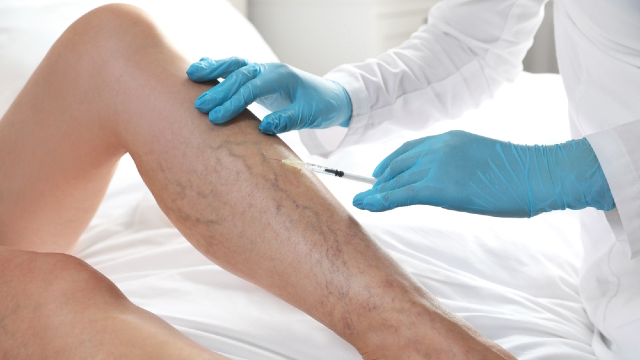
Will My Varicose Veins Come Back After Treatment?
A closed vein and a new varicose vein are different events. Here is what recurrence after vein treatment in Korea means and how follow-up imaging detects it.
Learn More
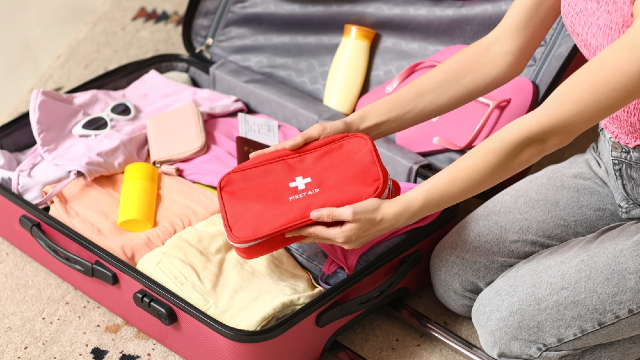
What to Pack Before Flying to Korea for Vein Surgery
What to pack before flying to South Korea for vein surgery: documents, medication and supplement lists, clothing, compression, and what to arrange at home.
Learn More
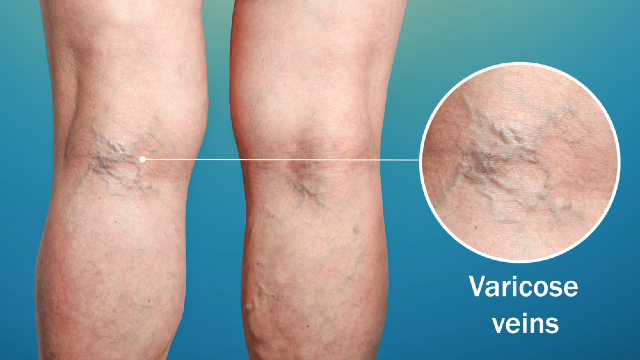
What Are Varicose Veins? Causes, Symptoms, and Signs
Varicose veins are enlarged, twisted leg veins caused by valve dysfunction. Learn the causes, the symptoms they produce, and when to see a vein specialist.
Learn More