Personalized Medical Care & Dedicated International Patient Concierge

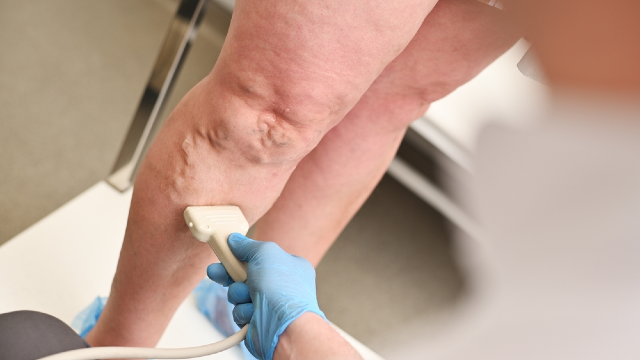
Medical Guide
Is Varicose Vein Treatment Painful? A Korean Clinic Answers
Varicose vein treatment at Ium Hazi Varicose Vein Clinic uses local anesthesia, with sedation where indicated. Here is what US patients feel during and after.
Schedule a ConsultationIs Varicose Vein Treatment at a Korean Clinic Painful?
Medically reviewed by Dr. Dong-Hyuk Kim, Board-Certified General Surgeon, Medical Director of Ium Hazi Varicose Vein Clinic
For most people, varicose vein treatment is uncomfortable rather than painful. At Ium Hazi Varicose Vein Clinic in Seocho-gu, Seoul, treatments are performed under local anesthesia with sedation used where indicated, and the clinic describes the typical experience in terms of pressure, warmth, tightness, and soreness rather than sharp pain. What you feel depends on which technique your ultrasound findings point to. Below is what the clinic documents for each, without softening the genuinely uncomfortable parts.
The Short Answer
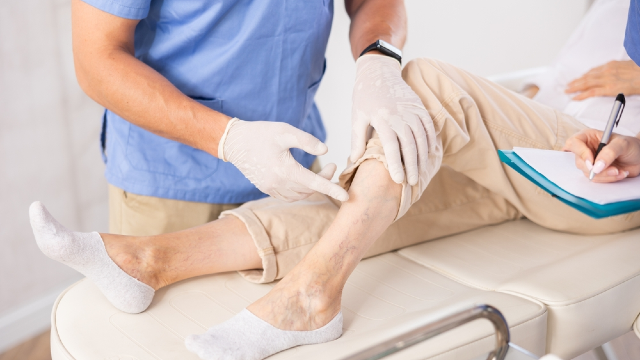
You will be awake, numbed, and aware of pressure and movement, and the sorest days usually come after the procedure rather than during it.
These are outpatient procedures. The clinic operates a same-day admission-and-discharge model, and its stated "3-No" protocol for signature procedures rules out three things: spinal anesthesia, stitch removal, and a compression stocking worn on the surgery day itself. The clinic frames that protocol as reducing discomfort.
MedlinePlus, the patient information service of the US National Library of Medicine, explains that pain is a personal experience shaped by biology, past experience, and emotional state. Two patients having the same procedure can rate it very differently, which is why the clinic states that pain levels vary between individuals rather than offering a single number.
What Anesthesia Is Used
Local anesthesia is the backbone of every treatment in this clinic's range, with sedation added for some procedures.
For endovenous laser ablation, Ium Hazi Varicose Vein Clinic documents local anesthesia as the usual choice, with tumescent anesthesia — a large volume of dilute local anesthetic infiltrated into the tissue surrounding the vein — given around the treated segment. For radiofrequency ablation and VenaSeal vein closure, the clinic lists local anesthesia and sedation anesthesia. For mechanochemical ablation, local anesthesia is used at the catheter entry site, with sedation considered depending on the patient and the extent of treatment. For micro-phlebectomy, local anesthesia is generally used around the treatment area.
MedlinePlus explains that local anesthesia blocks feeling in a specific part of the body while you remain awake, and that sedation makes you relaxed and drowsy without general anesthesia. The clinic states that the exact plan is set by the physician based on the treatment area and the patient's condition.
What You Feel During Each Treatment
The sensations differ by technique, and the clinic describes them individually rather than as one blanket reassurance.
Endovenous laser ablation. Expect short needle or pressure sensations as the anesthetic goes in, then possible warmth, a pulling feeling, or mild discomfort while the vein is treated and afterward.
Radiofrequency ablation. Performed under local anesthesia, with sedation used when indicated; patients may experience some discomfort during the procedure.
VenaSeal vein closure. The clinic states that most patients feel almost no pain during the procedure, and that because VenaSeal uses no thermal energy it results in significantly less postoperative pain compared with conventional laser and radiofrequency procedures.
Mechanochemical ablation. Local anesthesia at the catheter entry site; the clinic states that pain levels vary between individuals.
Micro-phlebectomy (point micro-surgery). Local anesthesia helps reduce discomfort during the procedure; mild soreness, bruising, or tenderness may follow.
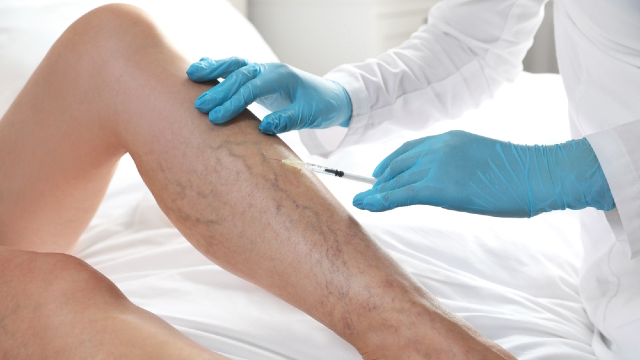
Sclerotherapy. Relatively minor discomfort rather than significant pain, with injection-site stinging or burning possible. For ultrasound-guided foam sclerotherapy, the patient is generally awake.
Spider vein laser treatment. Some heat, pressure, or brief discomfort, often described as mild stinging from fine needle injections or a brief snapping warmth.
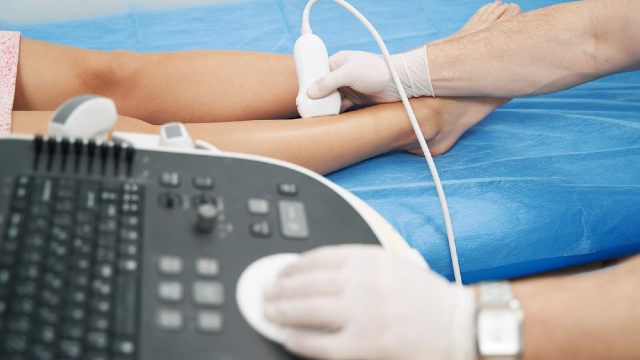
Diagnostic ultrasound. Generally painless, though some patients notice mild pressure as the probe moves over the leg. No anesthesia is required.
What You Feel Afterward
The first days after treatment are when most patients notice the most, and the clinic is specific about what is normal.
Across its ablation techniques, Ium Hazi Varicose Vein Clinic lists temporary bruising, swelling, tenderness, tightness, and localized numbness as possible effects, and states that these may persist for several days to a few weeks. After radiofrequency ablation it specifically lists temporary sensory abnormalities, a pulling sensation or lumps that gradually disappear, and anesthetic fluid that may seep from the puncture site for a few days. After sclerotherapy, bruising, tenderness, swelling, and firm or lumpy areas along treated veins may persist for days or weeks.
MedlinePlus explains that a bruise forms when small blood vessels under the skin break and leak, and that the color changes over days as the body reabsorbs the blood. A leg that looks worse before it looks better is following an expected course.
Walking is part of recovery, not a reward for it. The clinic states that most patients can walk soon after treatment, that same-day discharge is possible, and that most people resume normal life the day after radiofrequency ablation. It advises avoiding excessive walking or overexertion if that causes discomfort, and avoiding driving on the day of surgery.
If You Are Anxious About Pain, Say So Before You Book
Tell the clinic directly, at the consultation, that pain is your main concern — it changes the conversation, and it can change the plan.
Ium Hazi Varicose Vein Clinic states that appropriate pain control can be discussed beforehand, and that sedation may be considered depending on the patient's needs and the extent of treatment. The clinic runs a single-director system: consultation, ultrasound, procedure, and follow-up are all carried out by Dr. Dong-Hyuk Kim himself, so the person you raise this with is the person holding the catheter.
MedlinePlus advises writing your questions down before an appointment and being explicit about your concerns. Worth saying out loud: how you reacted to previous injections or dental work; whether needles specifically are the problem; and whether you would prefer sedation if it is an option for the technique recommended. Worth asking in return: which techniques your ultrasound findings allow, what sensation is likely in the first 48 hours, what pain relief is prescribed, and which symptoms should prompt a call.
The clinic provides English-language support for international patients, and you can raise all of this through its contact page. Its patient reviews also give a sense of how others described the experience.
Pain That Is Not Normal
Most post-procedure discomfort settles. Some does not, and it matters that you can tell the difference.
Ium Hazi Varicose Vein Clinic lists blood clots, nerve irritation, infection, inflammation of the treated vein, and skin changes among the possible complications of its vein treatments. Deep vein thrombosis, as MedlinePlus describes it, is a clot forming in one of the deep leg veins; the warning signs it lists are swelling, pain or tenderness, warmth, and skin that looks red or discolored. A fragment of that clot reaching the lungs is a medical emergency. Sudden breathlessness or chest pain needs emergency care.
Pain that escalates instead of easing, a spreading red or hot area, fever, or new one-sided calf swelling are reasons to contact a clinician promptly. If you are wearing compression, the clinic notes that pain, numbness, tingling, unusual coldness, or significant color changes in the foot should prompt removal of the stocking and medical advice.
The Bottom Line
- Ium Hazi Varicose Vein Clinic performs its vein treatments under local anesthesia, with sedation anesthesia listed for several procedures and no spinal anesthesia used under its stated "3-No" protocol.
- Sensation varies by technique: warmth and pulling with laser ablation, discomfort during radiofrequency ablation, almost no pain during VenaSeal according to the clinic, and stinging or burning with injection-based treatments.
- Afterward, bruising, tenderness, tightness, swelling, and temporary numbness are documented as possible and may last several days to a few weeks.
- Pain levels vary between individuals, and the clinic states that appropriate pain control can be discussed before treatment — so raise anxiety about pain at the consultation, not on the day.
- Escalating pain, spreading redness, fever, or new calf swelling are not normal recovery and warrant prompt medical attention.
Frequently Asked Questions
Will I be asleep during varicose vein treatment?
Ium Hazi Varicose Vein Clinic documents local anesthesia for its vein treatments, with sedation anesthesia listed for radiofrequency ablation and VenaSeal and considered as an option elsewhere. MedlinePlus explains that local anesthesia numbs one area while you stay awake, and that sedation makes you drowsy without general anesthesia. Spinal anesthesia is excluded under the clinic's stated "3-No" protocol.
Which treatment does the clinic describe as least painful?
The clinic states that most patients feel almost no pain during VenaSeal vein closure, and that because VenaSeal uses no thermal energy it results in significantly less postoperative pain than conventional laser and radiofrequency procedures. Whether it suits you depends on your vein anatomy and on any hypersensitivity to cyanoacrylate, determined by vascular assessment and imaging.
Does the numbing injection itself hurt?
For endovenous laser ablation, Ium Hazi Varicose Vein Clinic describes short needle or pressure sensations as the local anesthetic is placed. This is usually the most acute moment of the procedure and it is brief. MedlinePlus notes that local anesthetics work by blocking nerve signals in a specific area, which is why sensation fades quickly after placement.
How long will my leg be sore afterward?
The clinic states that mild bruising, tenderness, tightness, or swelling may persist for several days to a few weeks after endovenous ablation, and that recovery varies by treated vein and individual healing. After sclerotherapy, tenderness and firm areas may last days or weeks. Your treating physician gives the specific timeline at follow-up.
Is the diagnostic ultrasound uncomfortable?
No anesthesia is needed for a vascular ultrasound examination, and Ium Hazi Varicose Vein Clinic states that it is generally painless. Some patients notice mild pressure as the probe moves across the leg. The examination is the basis for deciding which treatment is appropriate, since the clinic uses duplex ultrasound to identify where blood flows backward.
Does being anxious make the procedure hurt more?
Anxiety genuinely influences the experience of pain. MedlinePlus explains that pain is shaped by emotional state as well as by the physical cause, which is one reason preparation helps. Tell Dr. Dong-Hyuk Kim at the consultation that pain is your primary concern — the clinic states that appropriate pain control can be discussed beforehand.
This article is for general informational purposes and does not constitute individualized medical advice. Candidacy, technique, and expected outcomes can only be determined through a consultation with a qualified physician, and this article is not a self-diagnosis tool.
References
- MedlinePlus: Pain
- MedlinePlus: Anesthesia
- MedlinePlus: Bruises
- MedlinePlus: Talking With Your Doctor
- MedlinePlus: Deep Vein Thrombosis
- MedlinePlus: Varicose Veins
- NHLBI: Varicose Veins
More Articles
Continue reading our clinical guides.
Will My Varicose Veins Come Back After Treatment?
A closed vein and a new varicose vein are different events. Here is what recurrence after vein treatment in Korea means and how follow-up imaging detects it.
Learn More
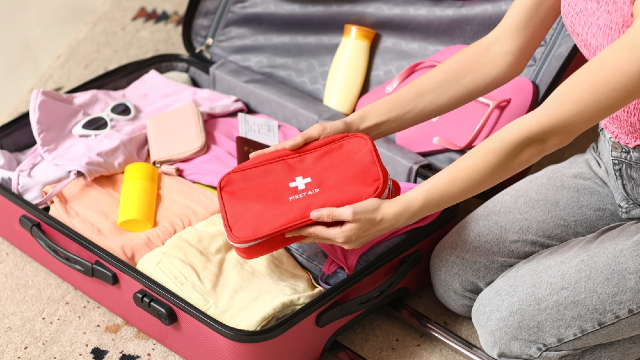
What to Pack Before Flying to Korea for Vein Surgery
What to pack before flying to South Korea for vein surgery: documents, medication and supplement lists, clothing, compression, and what to arrange at home.
Learn More
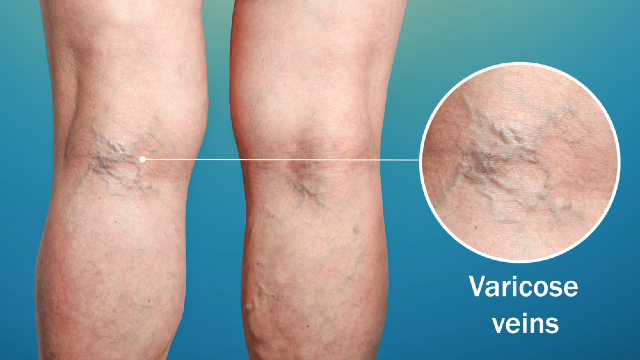
What Are Varicose Veins? Causes, Symptoms, and Signs
Varicose veins are enlarged, twisted leg veins caused by valve dysfunction. Learn the causes, the symptoms they produce, and when to see a vein specialist.
Learn More