Personalized Medical Care & Dedicated International Patient Concierge

Medical Guide
Endovenous Laser Ablation for Great Saphenous Reflux
Endovenous laser ablation closes a refluxing great saphenous vein from the inside using a laser fiber. Here is the full journey, from ultrasound to recovery.
Schedule a ConsultationEndovenous Laser Ablation for Great Saphenous Vein Reflux: What to Expect Before, During, and After
Medically reviewed by Dr. Dong-Hyuk Kim, Board-Certified General Surgeon, Medical Director of Ium Hazi Varicose Vein Clinic
Endovenous laser ablation is a minimally invasive treatment for varicose veins and venous reflux in which a thin laser fiber is placed inside the affected vein under ultrasound guidance. Laser energy heats the vein wall and closes the vein from within, and blood is then redirected through healthier veins nearby. At Ium Hazi Varicose Vein Clinic in Seocho-gu, Seoul, the procedure is commonly performed as an outpatient treatment after a vascular ultrasound confirms where the reflux is. This guide walks through what the clinic documents at each stage: the evaluation, the anesthesia, the steps, the recovery, the follow-up, and the risks you should hear about before you agree to anything.
What Reflux in the Great Saphenous Vein Actually Means
Reflux means blood flowing backward in a vein instead of moving steadily toward the heart. Leg veins contain one-way valves, and when those valves stop closing properly, blood pools in the vein below them. The great saphenous vein is the long superficial vein that runs up the inner side of the leg from the ankle toward the groin, and it is one of the most common places for this backward flow to begin.
MedlinePlus, the patient-education service of the US National Library of Medicine, explains that varicose veins are swollen, twisted veins visible just under the skin, most often in the legs, and that they can cause aching, heaviness, cramping, swelling, and skin changes. The National Heart, Lung, and Blood Institute (NHLBI) describes weakened or damaged vein valves as a central mechanism behind the condition, and lists risk factors that include age, family history, pregnancy, obesity, and work that involves long hours standing.
The visible bulging veins on the surface are frequently downstream consequences rather than the origin of the problem. If a saphenous trunk higher up the leg is leaking, treating only the surface veins leaves the source untouched. That is why Ium Hazi Varicose Vein Clinic evaluates the deep veins, the saphenous veins, the subcutaneous veins, and the perforating veins before recommending anything, and looks at reflux flow dynamically rather than only at a still image.
How Endovenous Laser Ablation Closes the Vein
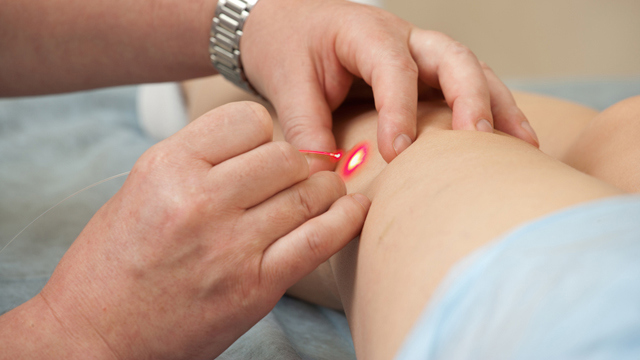
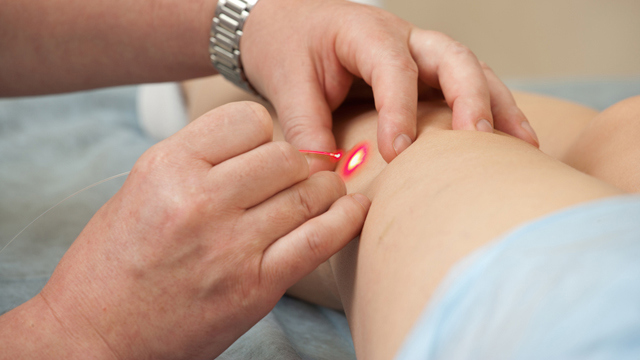
Laser ablation closes the vein with heat delivered from inside it. A thin laser fiber is introduced into the affected vein through a small access point, positioned with ultrasound, and then withdrawn gradually while laser energy is delivered along the vein wall. The wall reacts to that energy, and the treated vein closes. Once closed, the vein no longer carries refluxing blood, and circulation is routed through other veins that still have working valves.
The clinic describes endovenous laser ablation as a minimally invasive alternative to traditional vein-stripping surgery for appropriately diagnosed venous reflux, generally performed through a small access point. Dr. Dong-Hyuk Kim's listed areas of focus include 4th-generation 1940 nm endovenous laser surgery, radiofrequency ablation, point micro-surgery for localized varicose veins, and vascular ultrasound diagnosis.
A note on device terminology is worth making here. The US Food and Drug Administration (FDA) explains in its consumer guidance that "FDA approved," "FDA cleared," and "FDA registered" are not interchangeable terms, and that a company registering with the agency is not the same thing as the agency approving a product. If a marketing page anywhere tells you a laser is "FDA registered" and implies that means endorsement, that page is misusing the language the FDA itself defines.
Who Is a Candidate, and Who Is Not
Candidacy is decided by the ultrasound findings, not by how the leg looks. Patients with confirmed venous reflux involving a treatable vein, commonly the great or small saphenous vein, may be candidates for laser ablation. Suitability depends on ultrasound findings, vein anatomy, symptoms, medical history, and treatment goals.
Several situations make laser ablation the wrong choice. Ium Hazi Varicose Vein Clinic states that patients with unsuitable vein anatomy, veins too tortuous for safe fiber placement, active infection at the treatment site, or certain other vascular or medical conditions may not be appropriate candidates. The clinic also notes that patients with certain blood-clotting disorders, active infection, severe circulation problems, or veins that are not suited to catheter treatment may need a different approach, and that treatment is sometimes postponed when a separate medical condition needs attention first. Final suitability is determined by a vascular specialist after examination and ultrasound.
This is a real gate, not a formality. A severely twisted vein can be technically difficult to treat with a straight fiber, and the clinic says so openly rather than promising that every leg is a laser case.
Before the Procedure: Consultation, Mapping, and Preparation
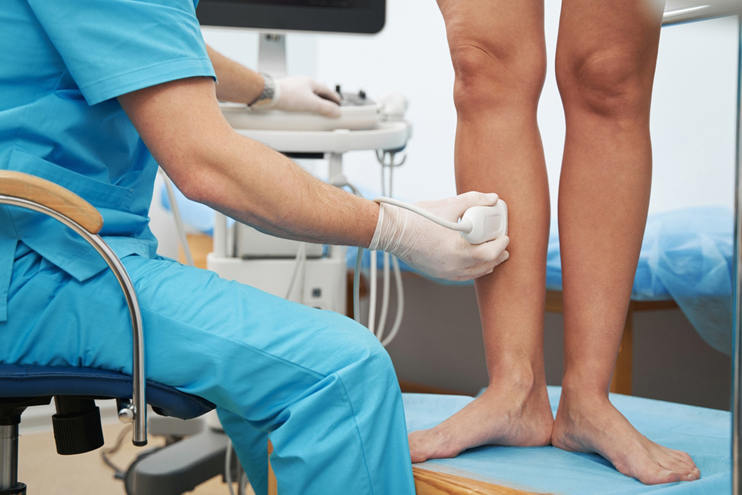
The visit that decides everything is the diagnostic consultation. The clinician reviews your symptoms and medical history, performs a physical examination, and uses vascular duplex ultrasound to identify reflux, evaluate the affected vein, and decide whether laser ablation is appropriate. During that examination the leg veins are assessed for size, shape, and location, while blood flow and reflux are observed in real time. Findings are explained using both the ultrasound images and the dynamic reflux flow, and the images can be saved to a USB drive on request.
Preparation on your side is mostly disclosure. Provide a complete medical history and a full list of medications and supplements, including blood-thinning medicines. Follow the clinic's instructions about medications, eating and drinking, and skin preparation, and arrange transportation in advance if sedation is planned. MedlinePlus advises patients preparing for any procedure to ask questions until they understand what is being done and why, and its guidance on talking with your doctor is a reasonable checklist to bring with you.
During the Procedure: Anesthesia and the Steps
Laser ablation at this clinic follows a documented sequence. First, the affected vein is mapped with ultrasound. Second, local anesthesia is given around the treatment vein. Third, a small access point is created and the laser fiber is inserted under ultrasound guidance. Fourth, laser energy is delivered as the fiber is withdrawn, which causes the treated vein to close. Fifth, the fiber is removed and the access site is dressed. Sixth, you are assessed and walk before discharge when that is appropriate.
Local anesthesia is commonly used, and tumescent anesthesia may be given around the treated vein. Additional sedation may be considered depending on the procedure and individual circumstances. MedlinePlus notes that local anesthesia numbs a specific part of the body while you stay awake, which is what makes an outpatient vein procedure feasible in the first place.
The procedure is usually completed as an outpatient treatment and commonly takes about 30 to 60 minutes, depending on the vein and the treatment area. Treatment time varies with the vein being treated and the plan agreed at consultation. Expect brief needle or pressure sensations while the anesthesia is placed, and possibly some warmth, pulling, or mild discomfort during or after treatment.
After: The Recovery Timeline in Plain Terms
Recovery starts with walking, not with bed rest. Many patients can walk soon after the procedure and return to light daily activities relatively quickly. Bruising, tightness, or tenderness may persist for several days or a few weeks. Mild swelling, redness, or a pulling sensation along the treated vein can also occur, and these generally settle as healing progresses. Recovery varies according to the treated vein, the number of veins treated, and individual response.
Aftercare is straightforward. Follow the treating clinician's instructions about walking, activity, wound care, medications, and compression garments if they are prescribed. Avoid strenuous exercise or activities your doctor has restricted, and avoid prolonged standing for the period recommended. Attend the recommended follow-up ultrasound examinations, because closure is confirmed by imaging rather than by how the leg looks.
MedlinePlus notes that bruises form when small blood vessels under the skin break and that the discoloration changes color as it resolves, which is why a bruised leg two weeks after treatment is not by itself a sign that something went wrong. Its general after-surgery guidance also reinforces the value of gradually resuming movement rather than staying still.
Risks You Should Hear Before You Agree
Every ablation carries risk, and the honest version is short but real. Ium Hazi Varicose Vein Clinic lists temporary bruising, swelling, tenderness, tightness, or localized numbness as possible effects. Less common complications can include infection, nerve irritation, skin injury, burns, inflammation of the treated vein, blood clots, or reopening of the treated vein. The clinic states that individual risks should be discussed during consultation.
Blood clots deserve their own paragraph. MedlinePlus explains that deep vein thrombosis is a clot that forms in a deep vein, usually in the leg, and that a piece of that clot can travel to the lungs and cause a pulmonary embolism, which is a medical emergency. The Centers for Disease Control and Prevention (CDC) describes venous thromboembolism as the combined term for these two conditions and notes that signs of a leg clot can include swelling, pain, tenderness, and skin that feels warm or looks discolored. The NHLBI lists surgery, immobility, and prolonged travel among the situations that raise clot risk. If you develop sudden leg swelling and pain, or chest pain and breathlessness, that is an emergency-department problem, not a wait-and-see problem.
Nerve irritation is the other risk worth understanding. Nerves run close to the saphenous veins in parts of the leg, and heat delivered nearby can leave a patch of numbness or altered sensation. It is usually temporary, but it is a real possibility rather than a theoretical one.
Recurrence is the third. The clinic states plainly that long-term results vary and that new or untreated veins may develop reflux in the future. Ablation treats the vein in front of the doctor today. It does not stop venous disease from appearing elsewhere later, and no vein treatment should be described to you as a cure.
Follow-Up, Results, and What "Closed" Means
Successful closure is confirmed by follow-up ultrasound. Symptoms and the appearance of the associated varicose veins may improve progressively as bruising and swelling resolve, and the treated vein gradually closes and is absorbed by the body over time. Final outcomes are assessed during follow-up examinations rather than on the day of treatment.
The clinic's aftercare for international and local patients includes scheduled vascular ultrasound examinations and personalized guidance on medical compression stockings, with a next-day follow-up examination recommended when necessary. If you are traveling, the timing of air travel should be confirmed with the treating physician after your procedure, since you may need a post-treatment assessment before flying. The CDC Yellow Book notes that prolonged immobility during long-haul travel is itself associated with venous thrombosis risk, which is exactly why this timing is a medical decision rather than a scheduling preference.
Who Performs the Procedure
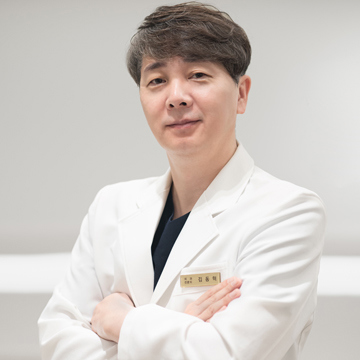
Ium Hazi Varicose Vein Clinic runs a single-director system. Dr. Dong-Hyuk Kim, a board-certified general surgeon and the clinic's Medical Director, personally performs every consultation, diagnostic ultrasound, and procedure. He trained at Sungkyunkwan University School of Medicine. The clinic states that it brings more than 15 years of clinical experience dedicated exclusively to varicose vein care, and it publishes its own statistic of 7,300+ saphenous vein surgeries performed between 2009 and 2024.
The clinic is registered under business registration 135-91-93104 and is a Registered Medical Institution for Attracting Foreign Patients certified by the Ministry of Health and Welfare. It received the Medical Asia 2024 Grand Prize in the varicose vein category. Quality control includes doctor-led diagnosis through follow-up, pre-operative ultrasound and clinical evaluation, a deliberately limited caseload of one to two surgeries per day, autoclave and E-O gas sterilization, single-use devices that are not reused, and post-operative ultrasound monitoring. You can read more about the clinic's approach on its about page, and a diagnostic consultation can be arranged through the contact page.
Insurance is worth raising early if you are a US patient. Whether a vein procedure is covered depends entirely on your insurer and on the diagnosis recorded, so ask your own plan directly what documentation it requires before you commit to a date.
The Bottom Line
- Endovenous laser ablation closes a refluxing vein from the inside with laser energy delivered as the fiber is withdrawn, and blood then travels through healthier veins.
- Candidacy is decided by duplex ultrasound, and veins that are too tortuous, infected, or anatomically unsuitable are not treated with this method.
- The procedure is commonly outpatient and takes roughly 30 to 60 minutes, usually under local anesthesia with tumescent anesthesia around the vein.
- Bruising, tightness, tenderness, and temporary numbness are common; infection, nerve irritation, skin injury, blood clots, and reopening of the vein are less common but real.
- Venous disease can recur in new or untreated veins, so follow-up ultrasound and long-term monitoring are part of the treatment, not an optional extra.
Frequently Asked Questions
Who is a good candidate for endovenous laser ablation?
Patients with symptomatic varicose veins caused by reflux in a treatable vein, most often the great or small saphenous vein, may be candidates. A vascular evaluation and duplex ultrasound are used to confirm that the vein is suitable for laser treatment. Symptoms, medical history, vein anatomy, and your own treatment goals all feed into the decision.
How long does the procedure take?
Endovenous laser ablation is usually completed as an outpatient treatment and commonly takes about 30 to 60 minutes, depending on the vein and the treatment area. The number of visits depends on your evaluation and your follow-up needs. Same-day walking before discharge is part of the clinic's documented sequence when it is appropriate for you.
What anesthesia is used?
Local tumescent anesthesia is commonly used around the treated vein, and additional sedation may be considered depending on the procedure and your circumstances. The specific plan is determined during consultation based on the treatment area and your condition. MedlinePlus explains that local anesthesia numbs one region of the body while you remain awake.
Is endovenous laser ablation painful?
The procedure is generally performed with local anesthesia to minimize discomfort. You may feel brief needle or pressure sensations while the anesthetic is placed, and some warmth, pulling, or mild discomfort during or after treatment. Tenderness along the treated vein for a few days to a few weeks is common and usually settles as healing progresses.
What are the most common side effects afterward?
Bruising, mild swelling, tenderness, tightness, redness, or a pulling sensation along the treated vein are the effects most often reported, and they generally improve as you heal. MedlinePlus notes that bruising reflects small broken blood vessels under the skin and changes color as it resolves. Report any symptom that worsens rather than improves.
How do I know the vein actually closed?
Follow-up ultrasound is used to confirm closure of the treated vein. The clinic's aftercare includes scheduled vascular ultrasound examinations, with a next-day check recommended when necessary. Because the clinic compares blood-flow findings before and after treatment, the result is assessed on imaging rather than on appearance alone.
Can varicose veins come back after laser ablation?
Yes. The clinic states that long-term results vary and that new or untreated veins can develop reflux in the future. Successful ablation closes the vein that was treated, but it does not prevent venous disease elsewhere in the leg, which is why ongoing follow-up matters.
When can I fly home after treatment?
Confirm the timing of air travel with your treating physician after the procedure, since a follow-up assessment may be needed first. The CDC notes that prolonged sitting during long-haul travel is associated with an increased risk of venous thrombosis. Movement during the flight and any compression your doctor prescribes should be discussed before you book a return date.
This article is for general informational purposes and does not constitute individualized medical advice. Candidacy, technique, and expected outcomes can only be determined through a consultation with a qualified physician, and this article is not a self-diagnosis tool.
References
- MedlinePlus: Varicose Veins
- NHLBI: Varicose Veins
- MedlinePlus: Deep Vein Thrombosis
- CDC: About Venous Thromboembolism
- MedlinePlus: Anesthesia
- MedlinePlus: Bruises
- MedlinePlus: After Surgery
- MedlinePlus: Talking With Your Doctor
- FDA: What Is FDA Approved?
- CDC Yellow Book: Deep Vein Thrombosis and Pulmonary Embolism
More Articles
Continue reading our clinical guides.
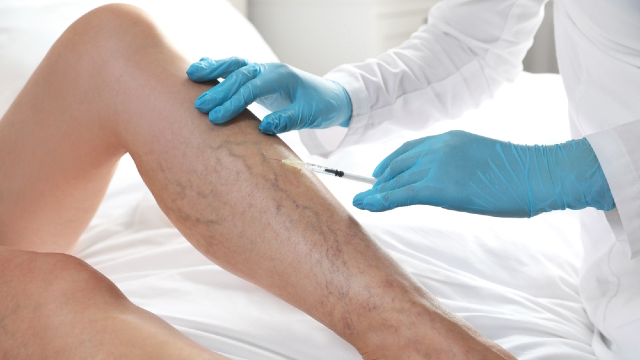
Will My Varicose Veins Come Back After Treatment?
A closed vein and a new varicose vein are different events. Here is what recurrence after vein treatment in Korea means and how follow-up imaging detects it.
Learn More
What to Pack Before Flying to Korea for Vein Surgery
What to pack before flying to South Korea for vein surgery: documents, medication and supplement lists, clothing, compression, and what to arrange at home.
Learn More
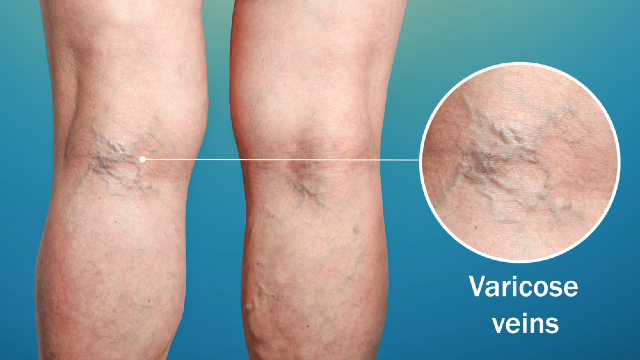
What Are Varicose Veins? Causes, Symptoms, and Signs
Varicose veins are enlarged, twisted leg veins caused by valve dysfunction. Learn the causes, the symptoms they produce, and when to see a vein specialist.
Learn More